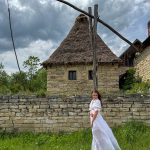
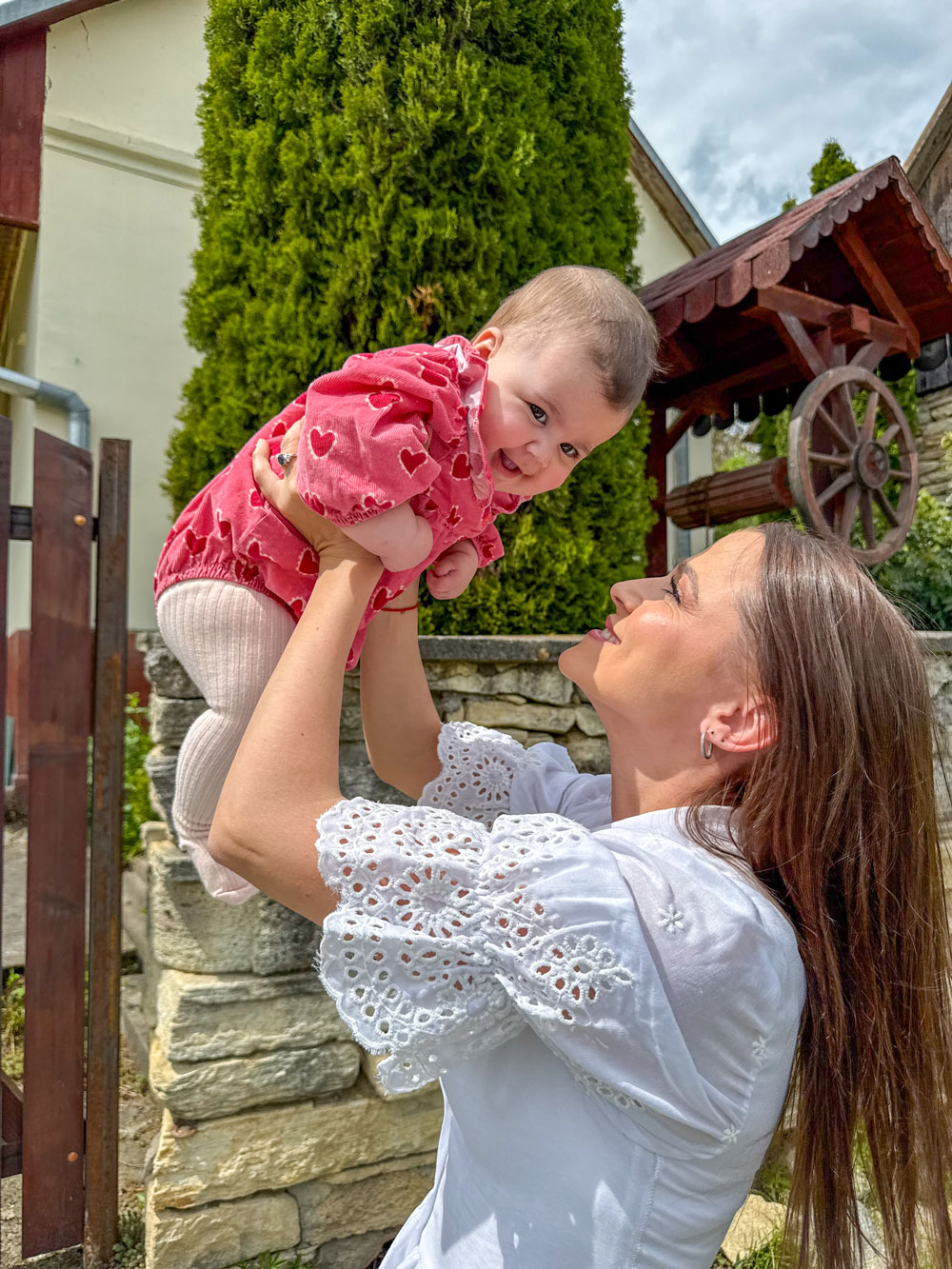
We arrived in Chidea, the stone village in Transylvania, at a moment when I truly missed discovering new places again. A few months had passed in which we barely explored any new places at all. We kept returning to the same places we love, the familiar places that feel safe and dear to us, because our lives completely changed once our little girl came into the world. At just 5 months old, our baby has now begun the most beautiful adventure: discovering Romania alongside us.
Chidea in Transylvania – Romania’s Alberobello
Hidden among the hills of Transylvania, the village of Chidea belongs to Vultureni commune, in Cluj County, and is located about 40 kilometers from Cluj-Napoca. It is one of those places you rarely hear about, yet somehow it stays with you long after you leave.
As you get closer to the village, the landscape begins to change completely. The hills become wilder, the houses rarer, and the silence slowly replaces the noise of the city. And once you enter Chidea, it feels as if you have stepped into a completely different world.
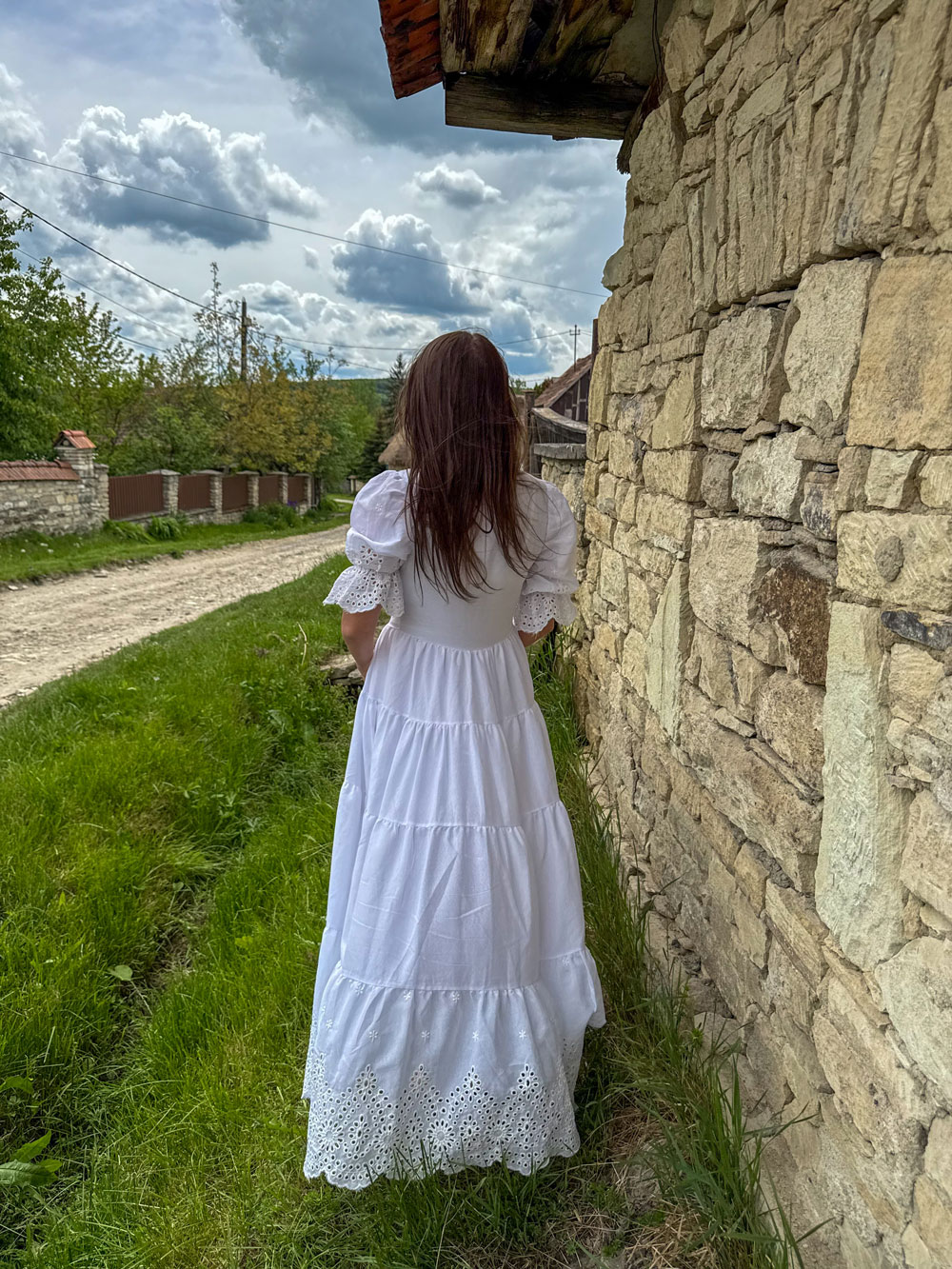
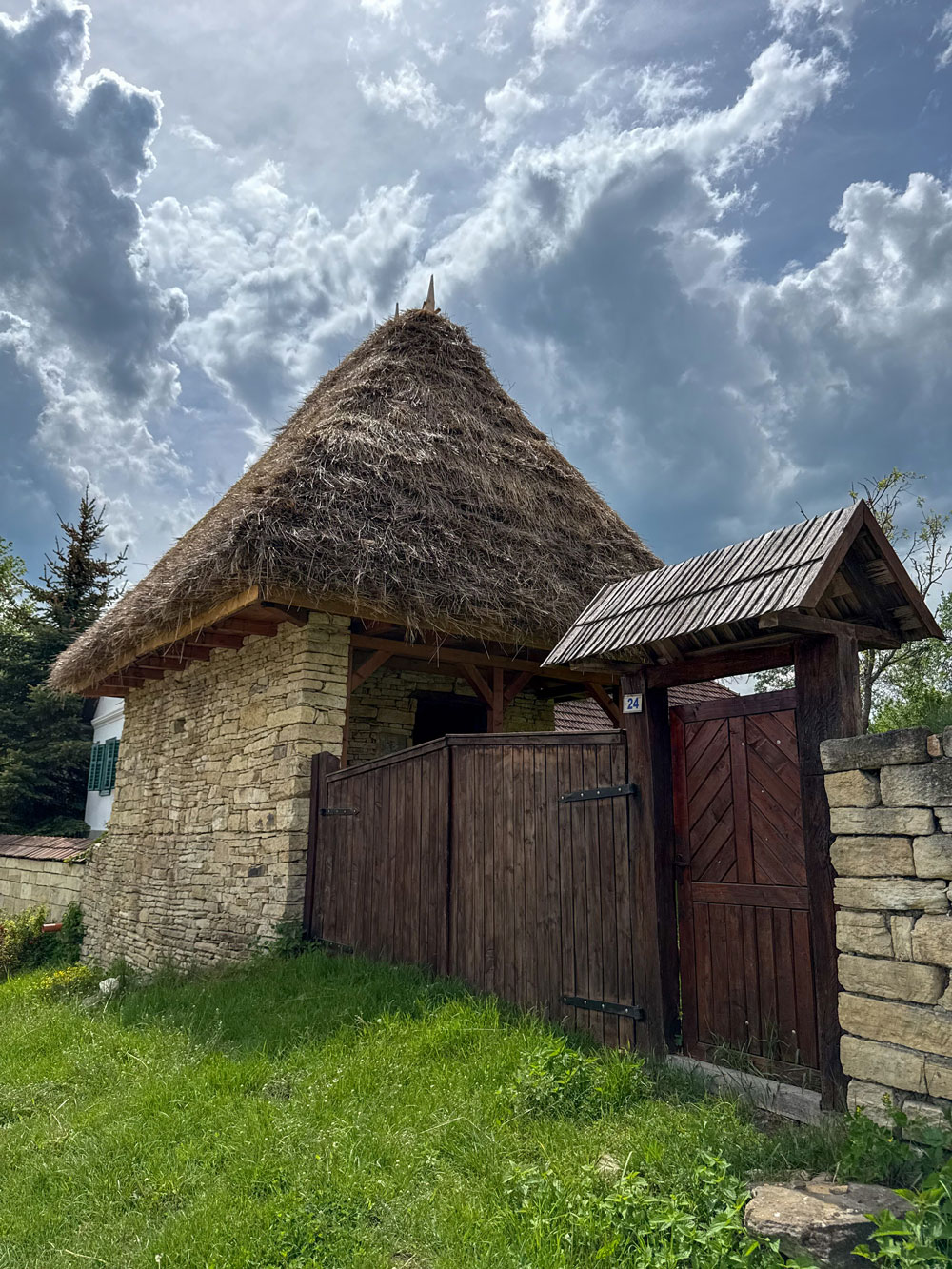
The first thing that catches your attention here is the stone. It is everywhere. The houses, fences, annexes, wells and even some courtyards are built almost entirely from white stone extracted from the area. The image of the village is so different from any other Romanian village that many compare it to Alberobello, the famous little town in southern Italy.
But here, there are no crowds of tourists, souvenir shops or busy streets. Chidea has something far rarer: pure authenticity. Everything feels real, simple and untouched. The massive stone fences look like ancient fortress walls, while some households seem taken straight out of historical movies. There are places where you feel as if every single stone was placed there by hand hundreds of years ago.
The light here is incredible, especially in the evening, when the warm shades of the stone begin to glow in golden tones. And the contrast between the vibrant green hills and the white stone makes the village feel almost unreal. It is one of the most photogenic villages I have ever seen in Romania.
The streets are unpaved, and that is part of the village’s charm. When we arrived, there was nobody on the streets. All you could hear were birds, the wind and an occasional dog barking somewhere in the distance. The air smelled of spring flowers and freshly grown grass, while the deep silence made it feel as though time had completely stopped.
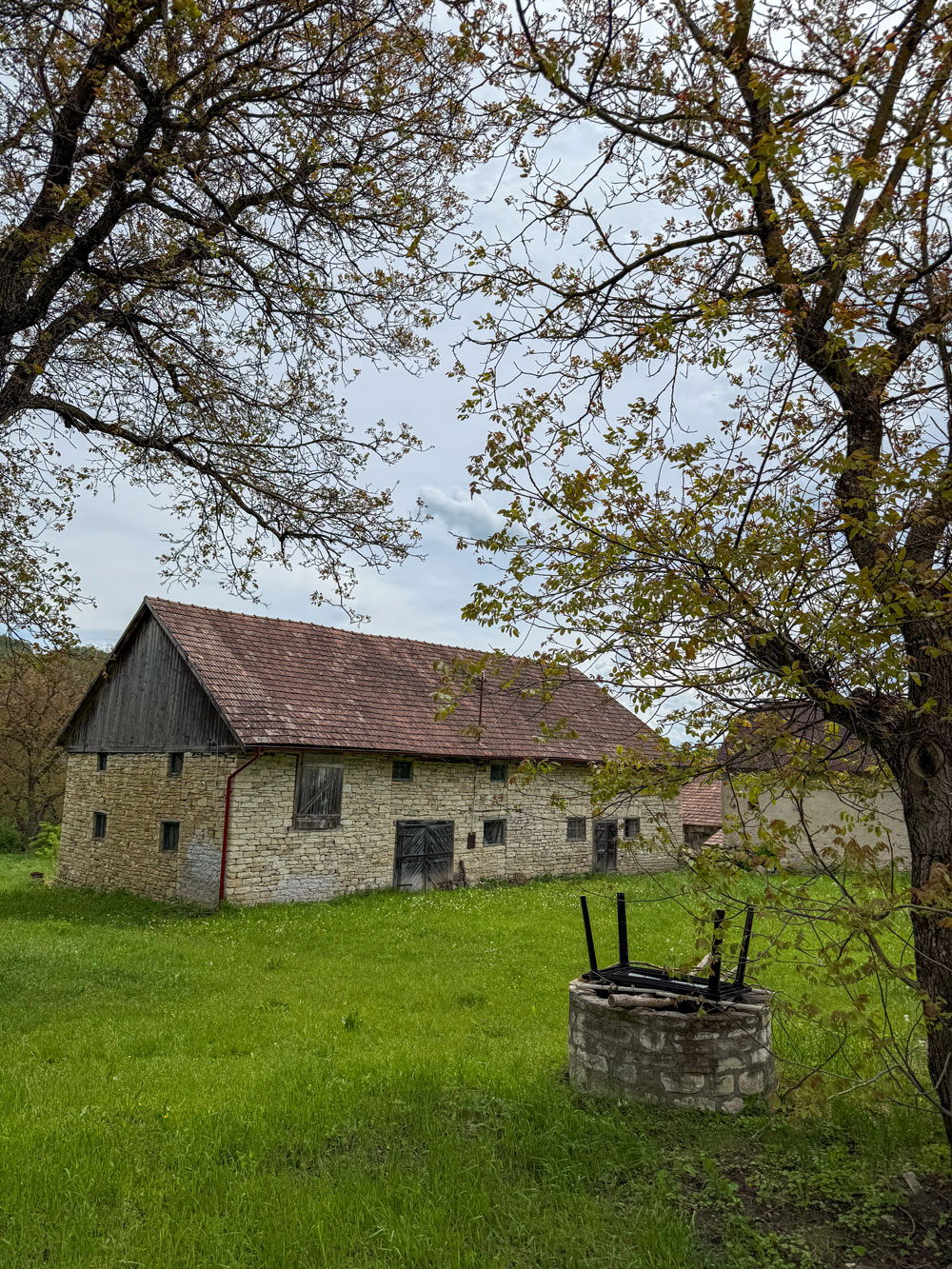
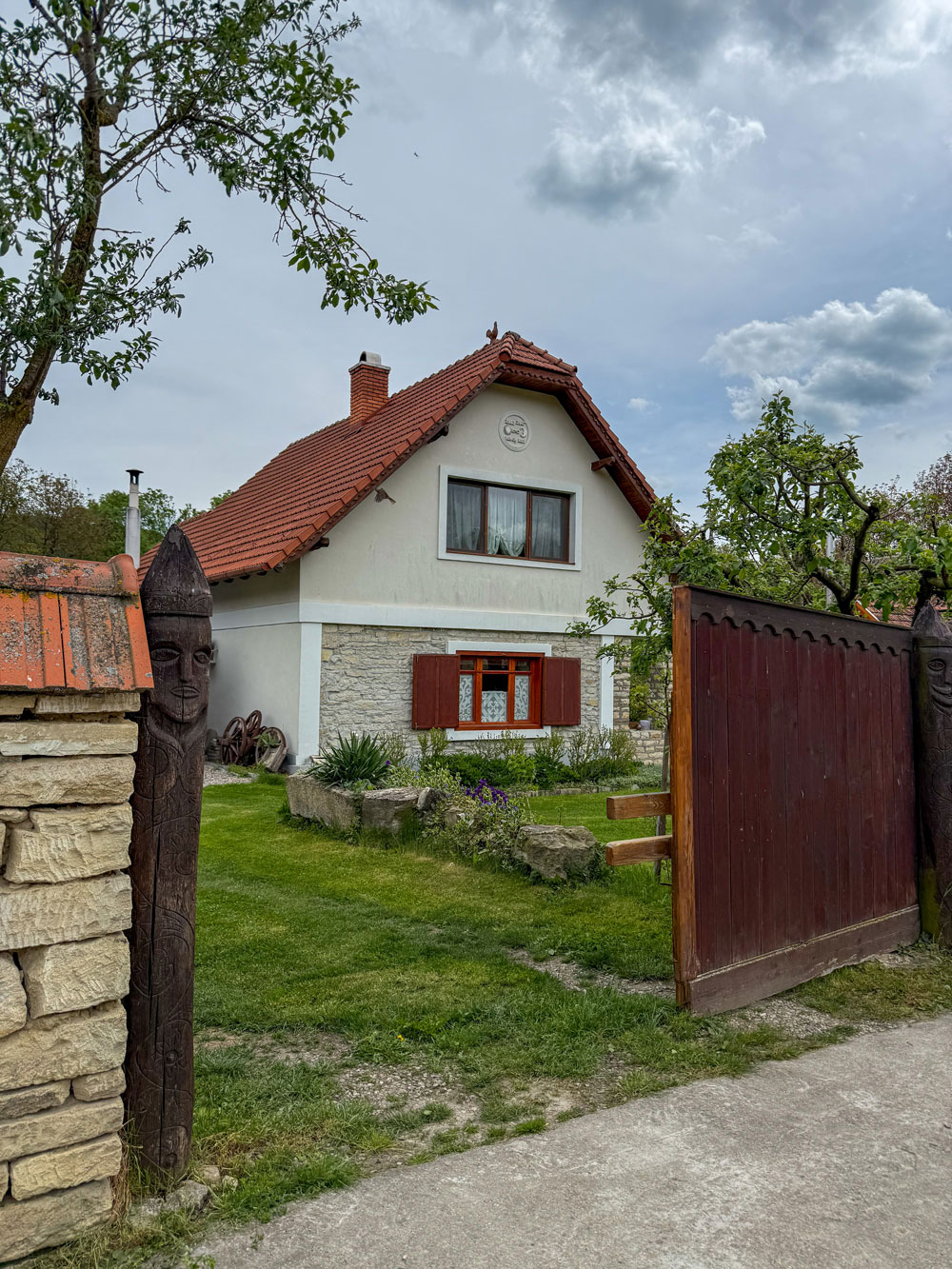
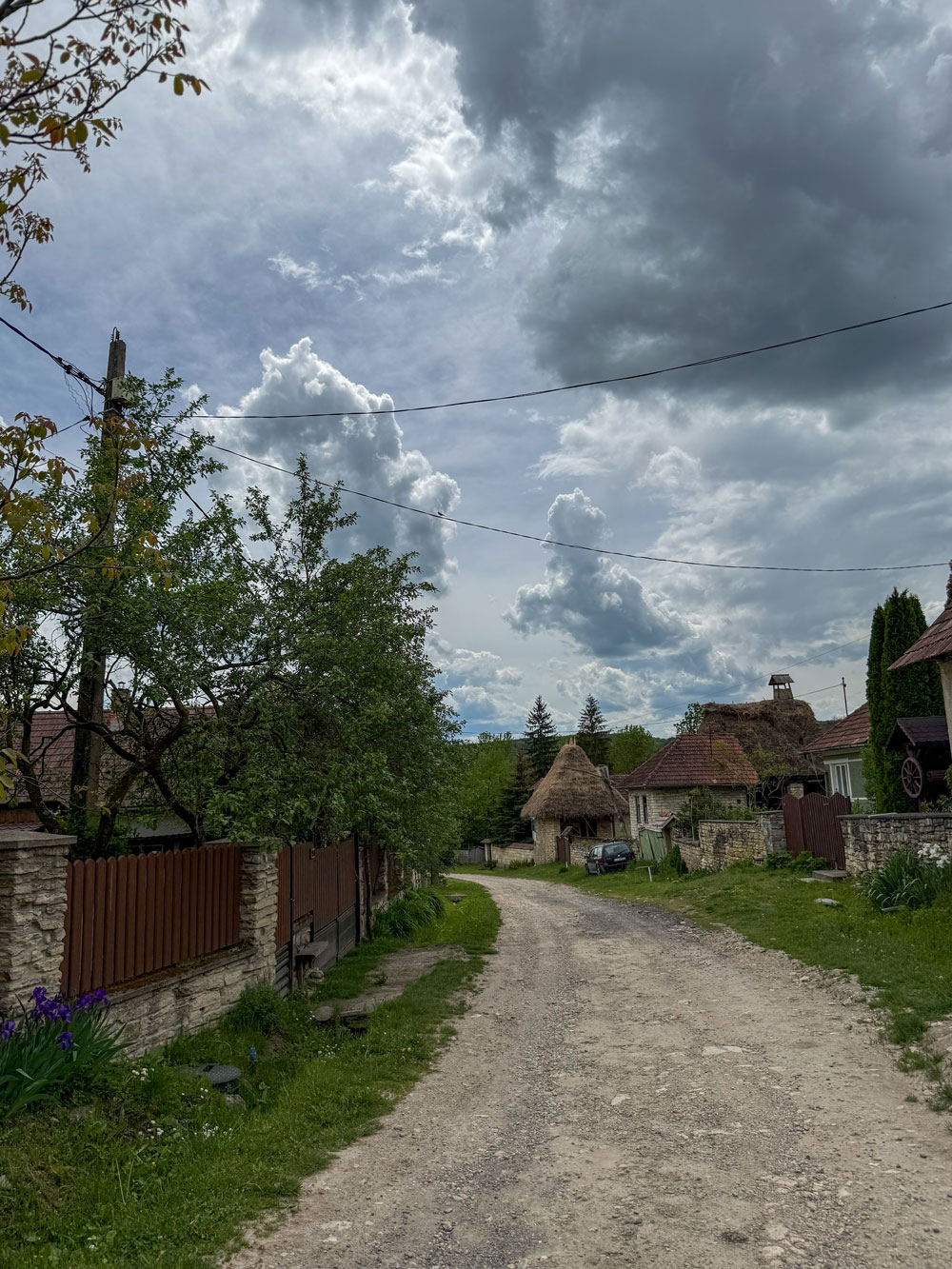
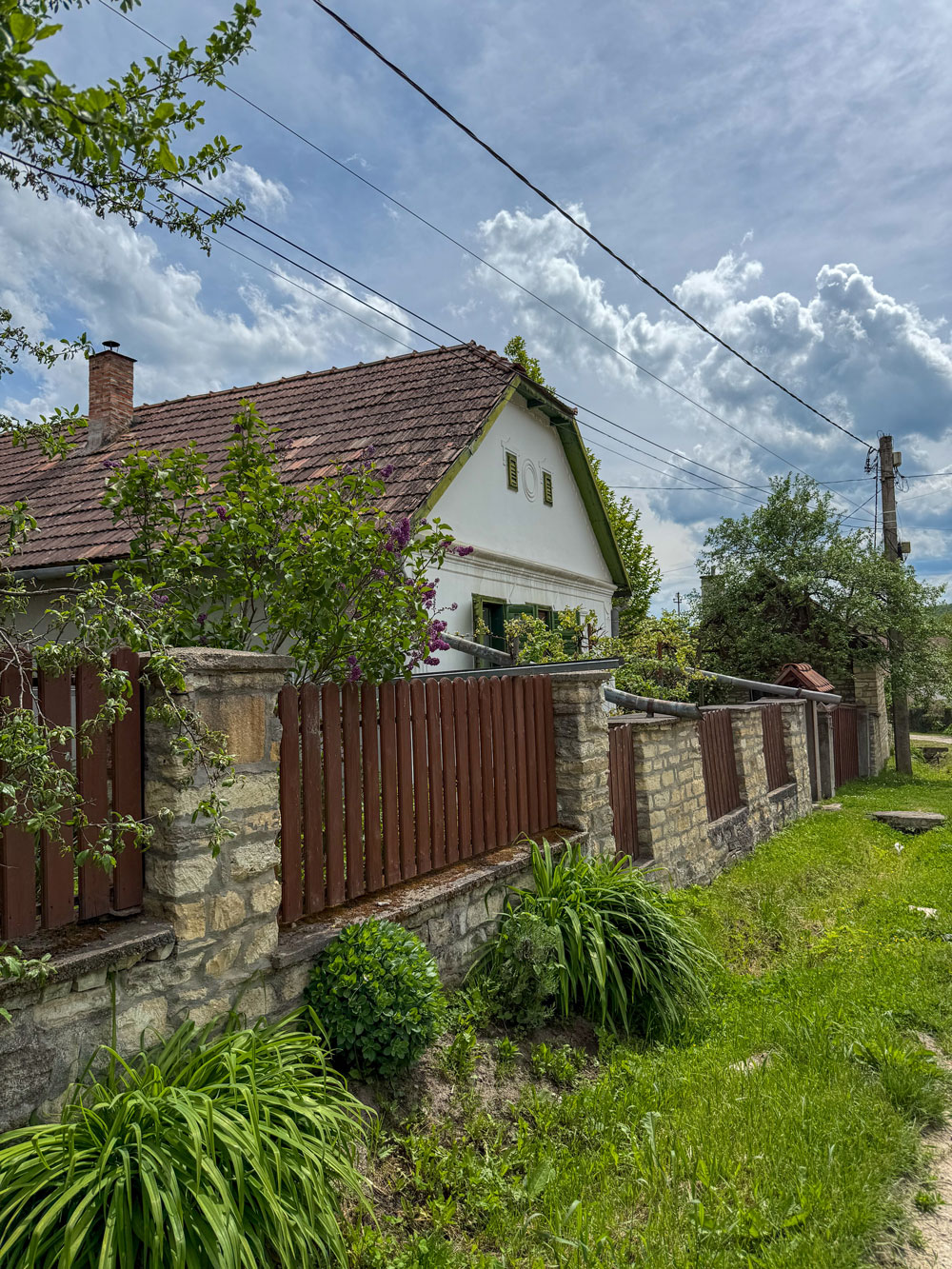
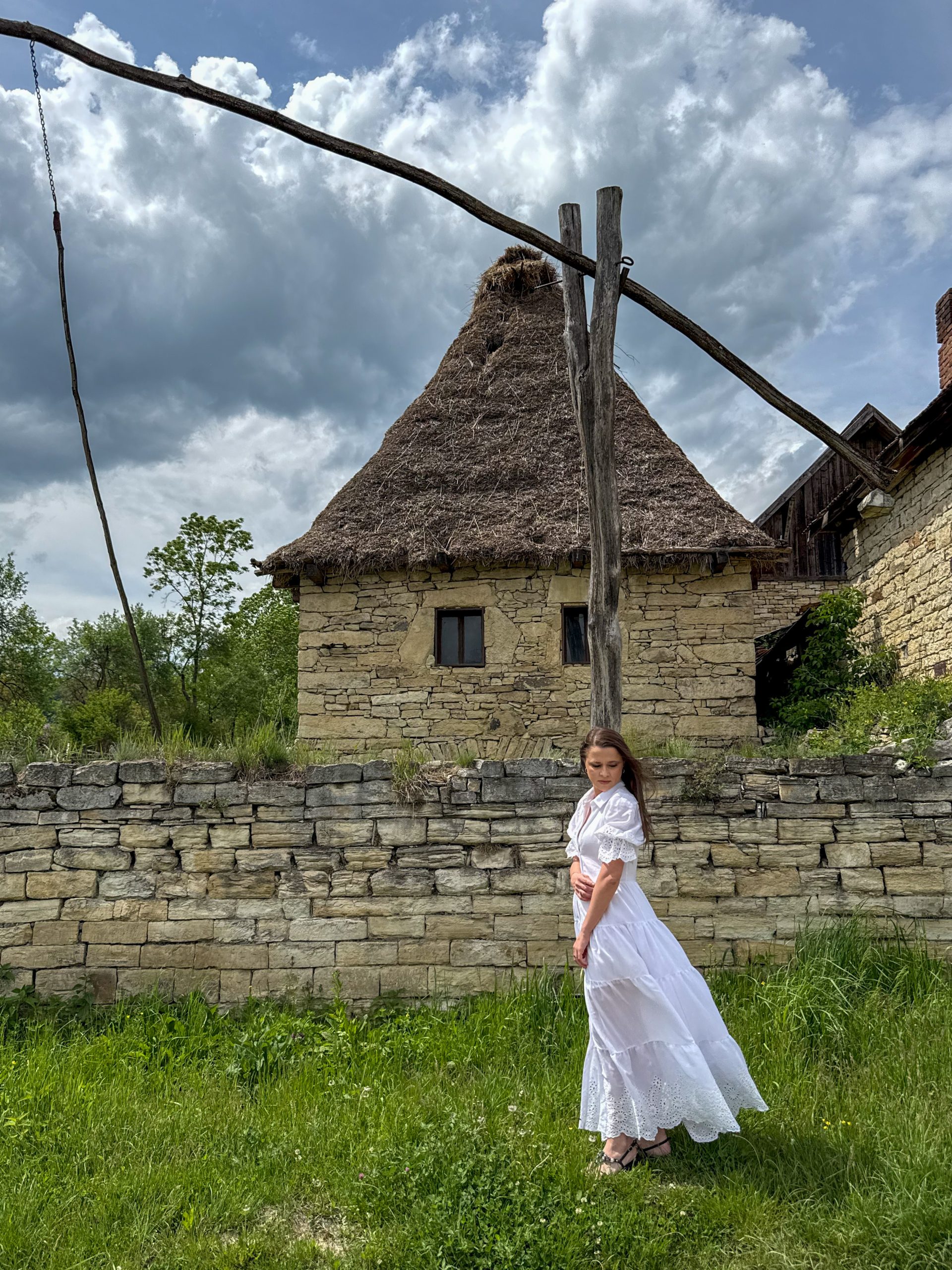
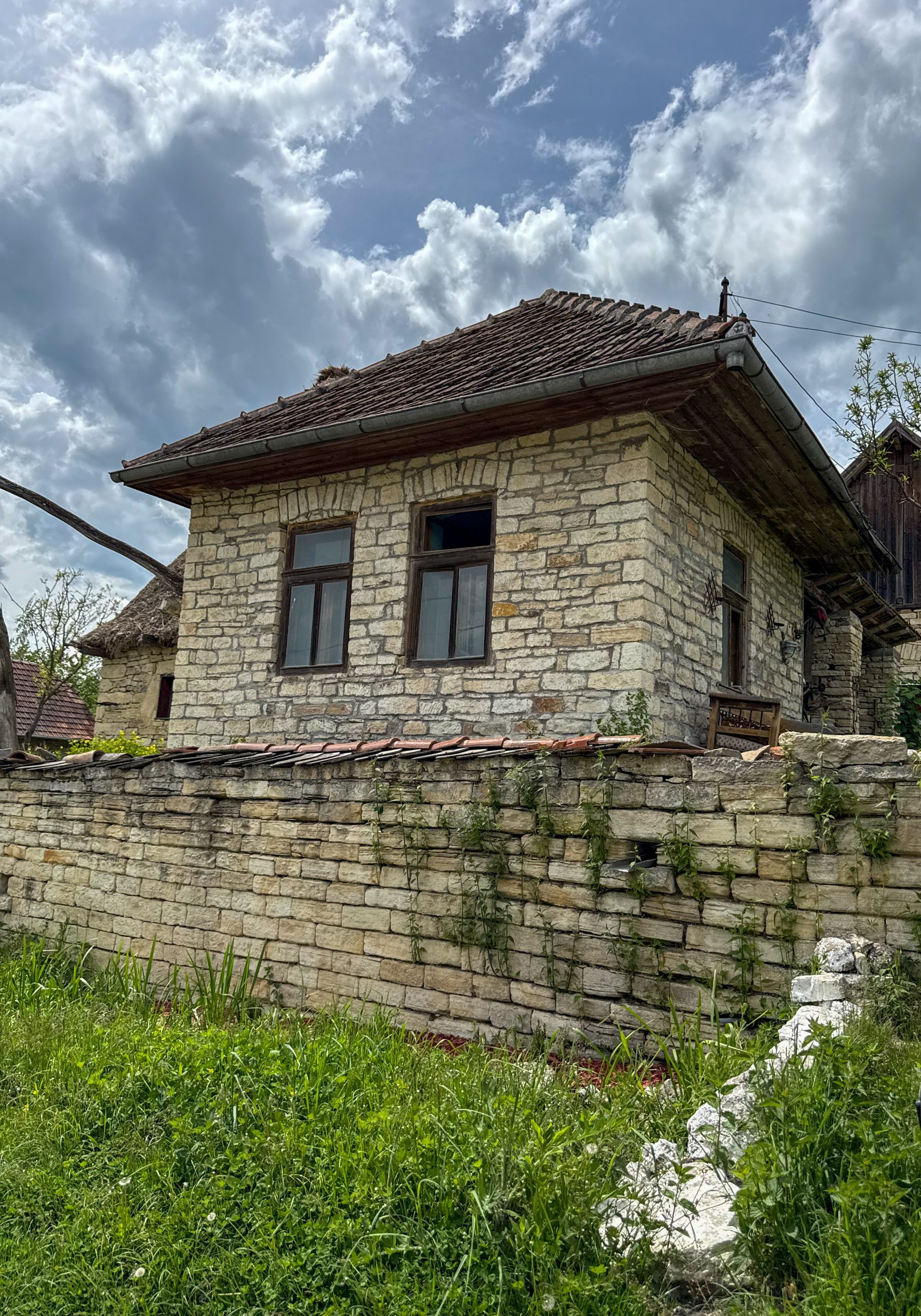
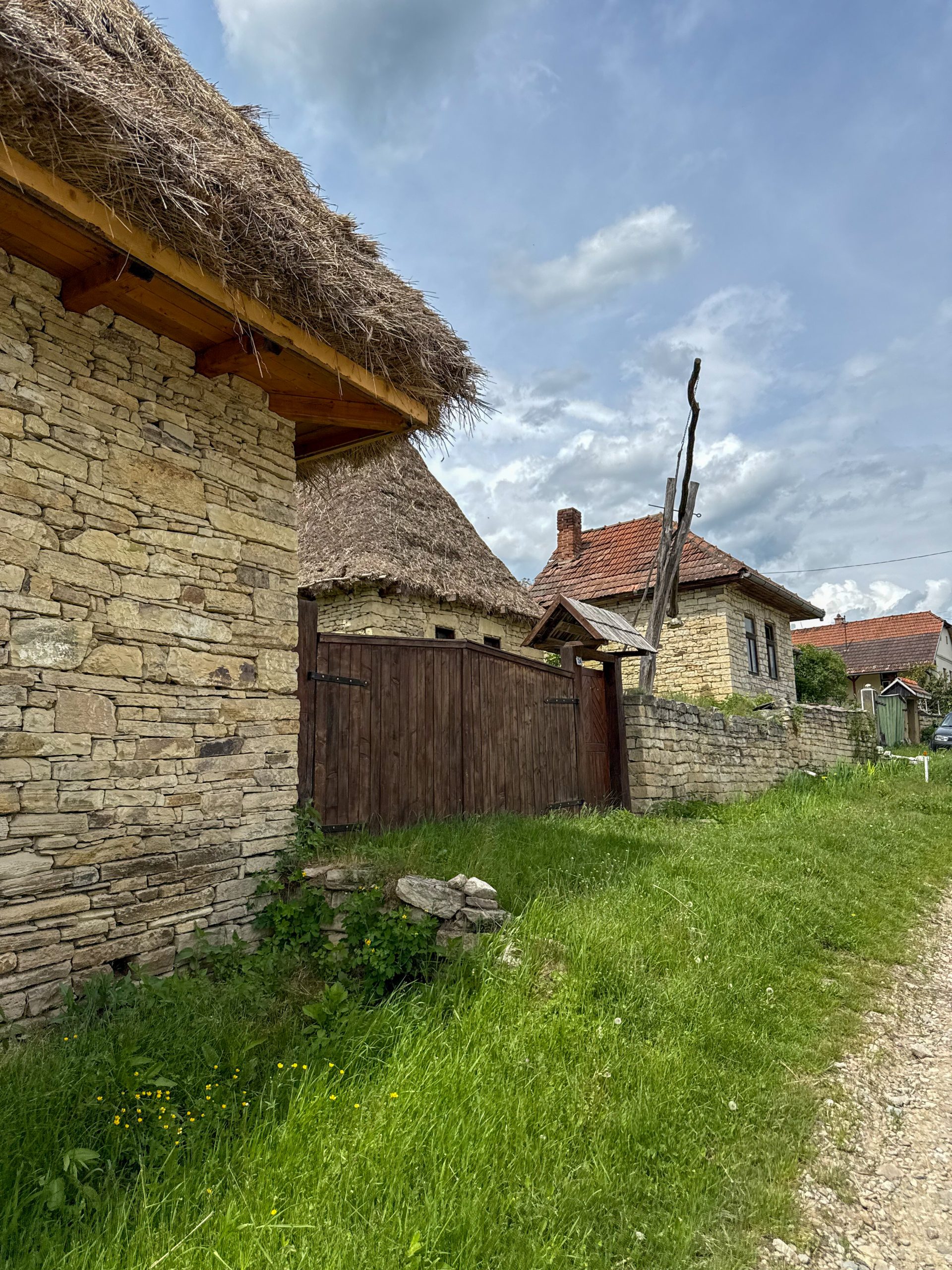
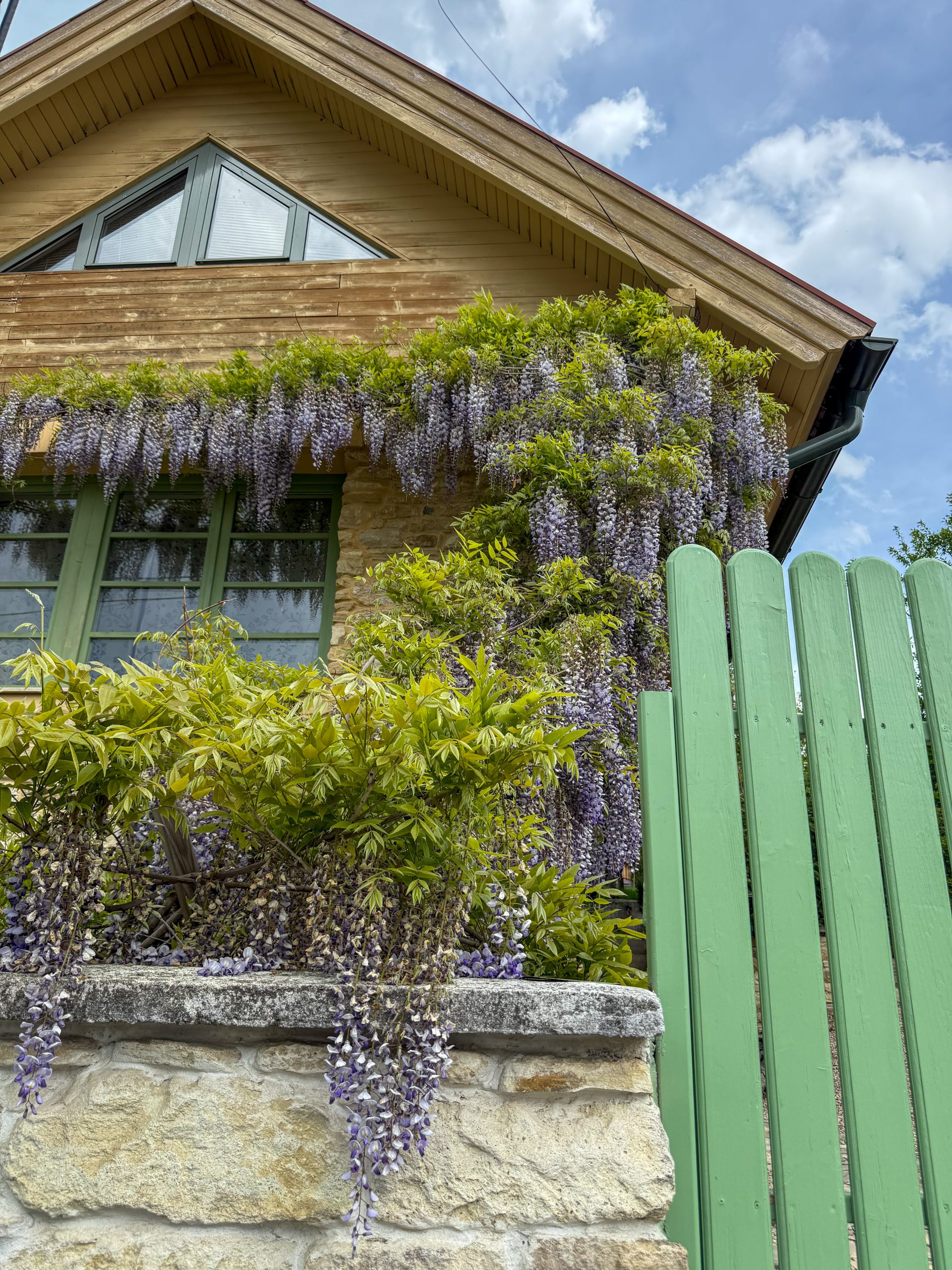
What You Can Do in Chidea
Chidea is not the kind of place you visit for long lists of tourist attractions. You come here for the atmosphere.
You can start by visiting the village’s three churches, each with its own charm and story. Then, the most beautiful thing you can do is simply wander through the streets. Walk without a destination, observe the details of the houses, the wooden gates, the stone walls and the blooming gardens.
It is a perfect place for photography. Almost every corner feels specially made for pictures: the contrast between the white stone and the green hills, the warm afternoon light, the dirt roads and the almost unreal silence of the village.
If you visit during spring or summer, it is worth staying for at least a few hours and enjoying the slow rhythm of the place. Sit on a bench, listen to the birds and feel how all the noise of the city completely disappears.
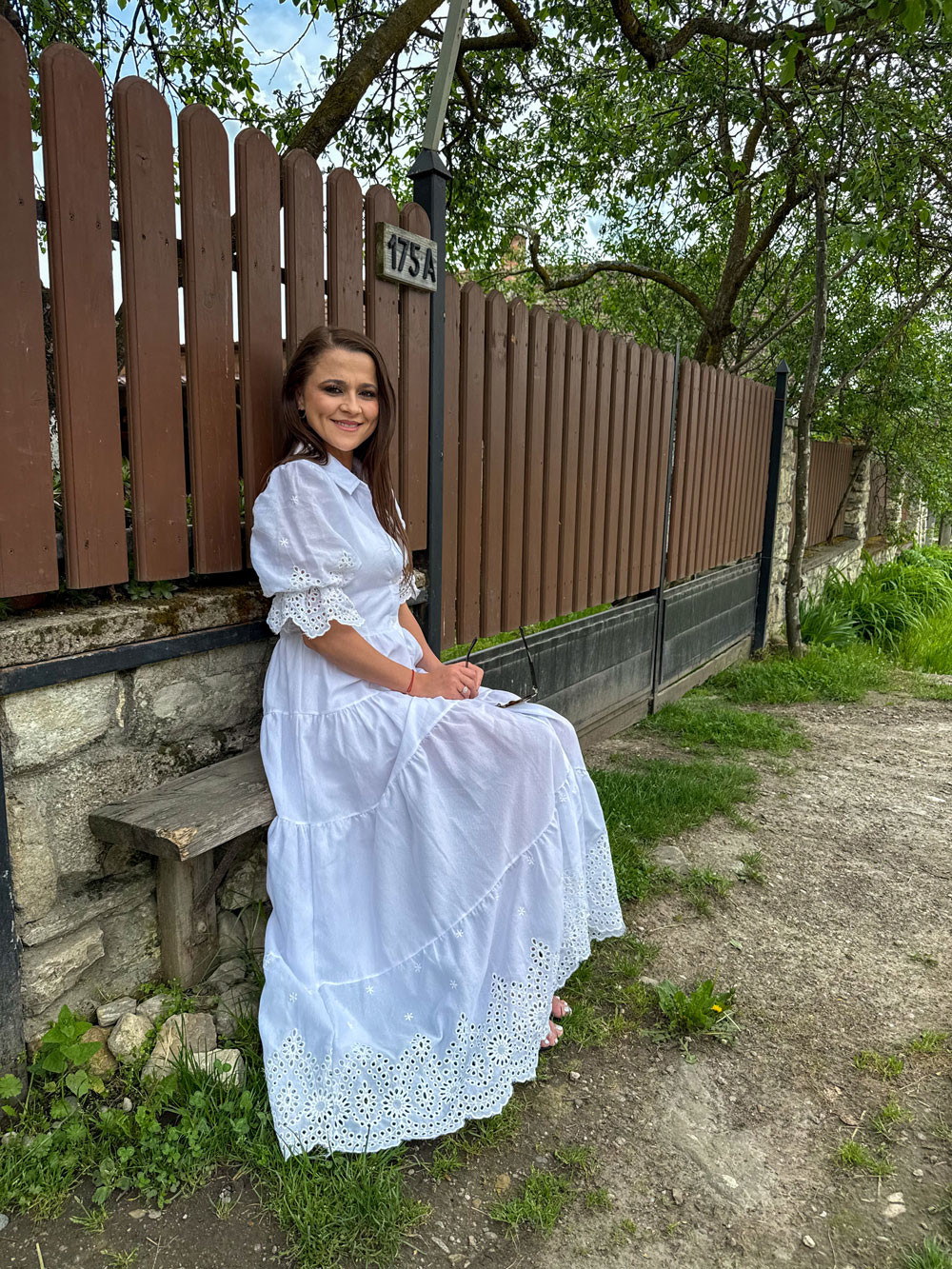
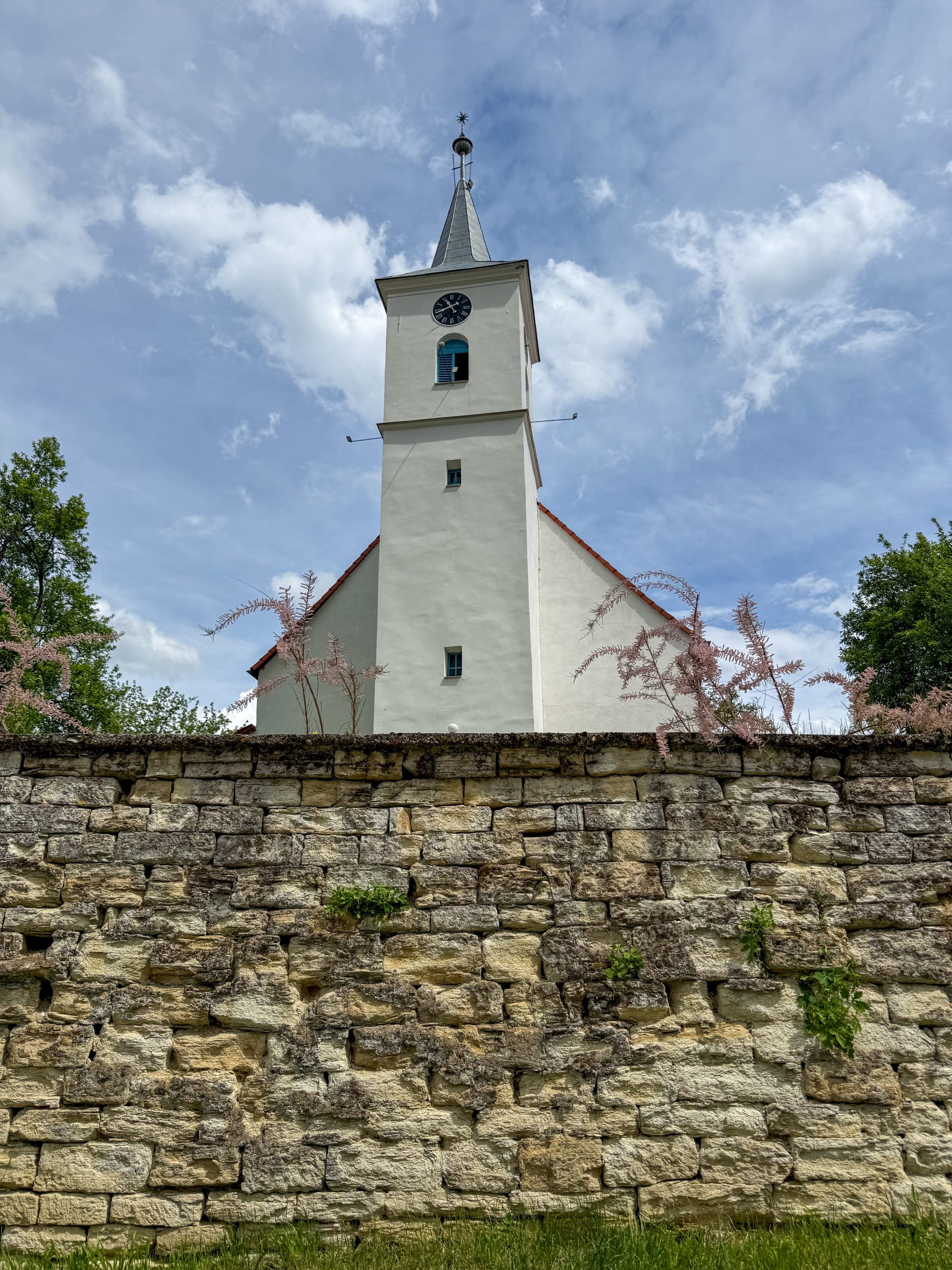
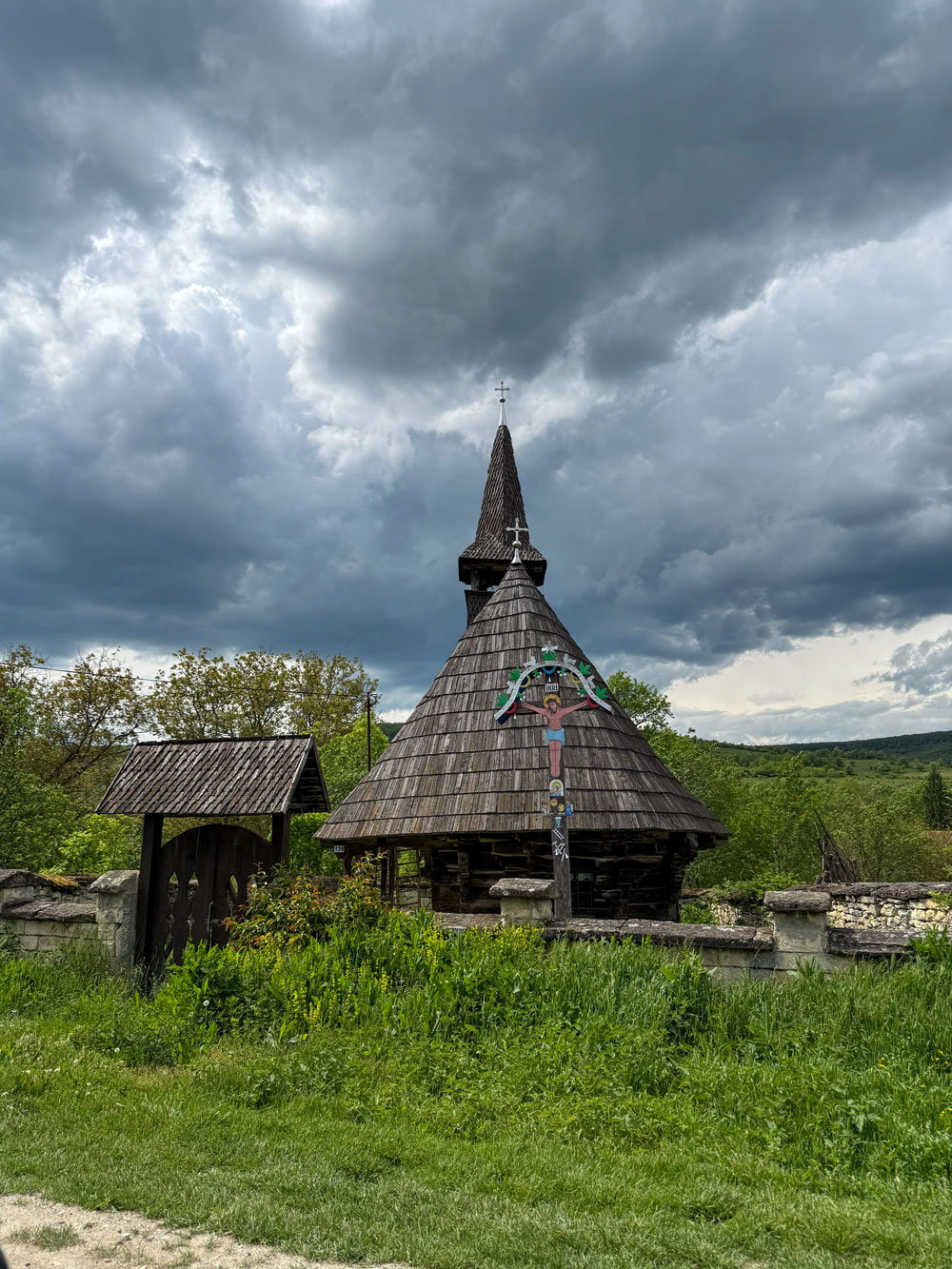
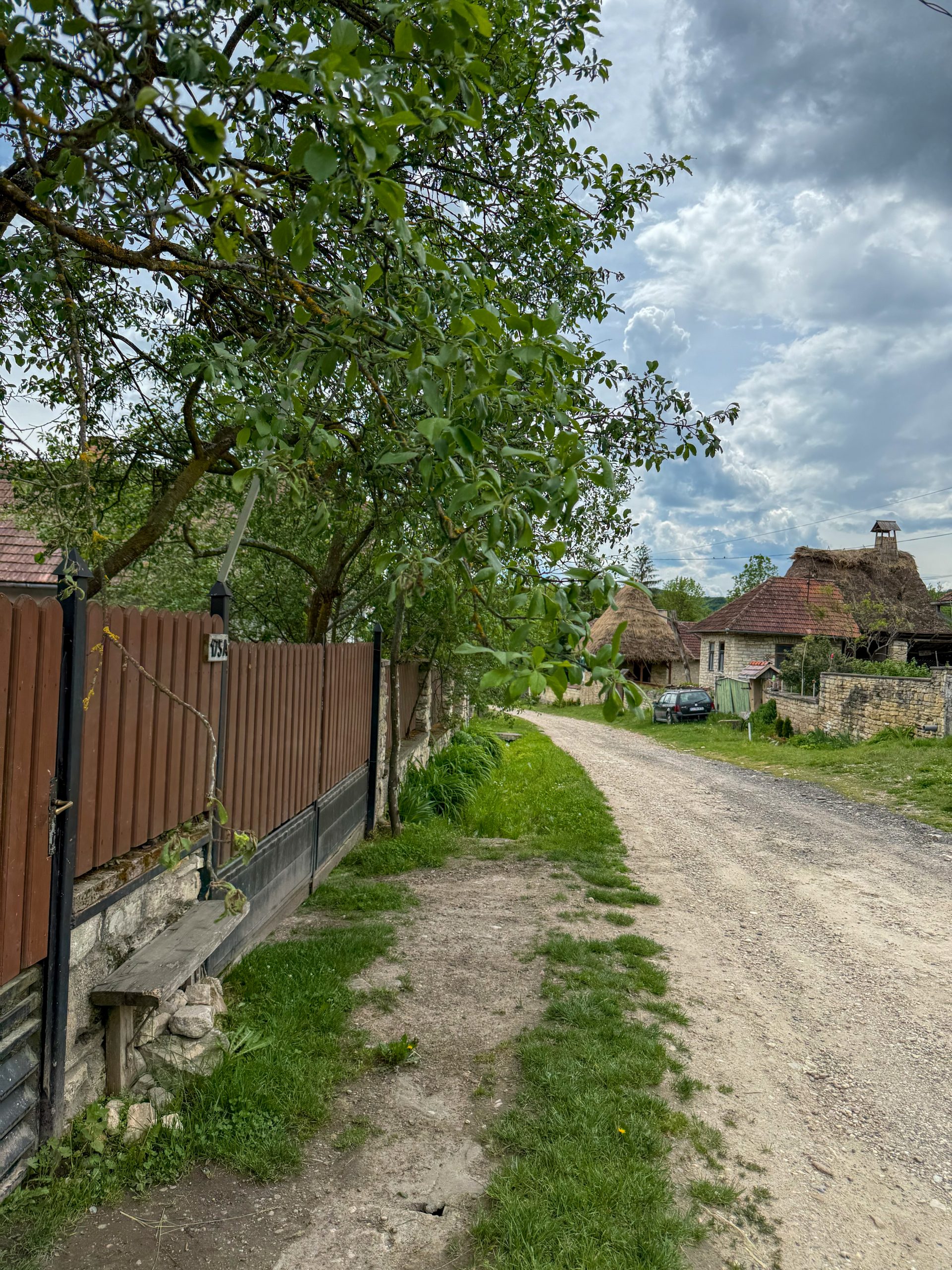
Chidea - Transilvania, Cluj, Romania
Love,
A.C.
Join our newsletter

Search for articles
 What to Do in 2 Days in Kuala Lumpur – Complete Guide for Your First VisitIn Travel26 May 2026
- Chidea, the village in Transylvania that resembles AlberobelloIn Places in Romania21 May 2026
- Top 10 Tourist Attractions in Malmo, SwedenIn Travel29 January 2025
- A Life Lesson. Thoughts in Times of Pandemic.In Events29 January 2025
- The 20 Most Beautiful Places in ItalyIn Travel29 January 2025