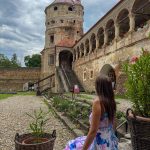
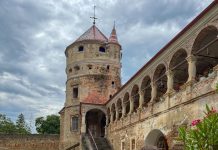
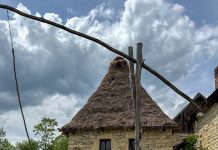
Every time I travel through Transylvania, I try to step away from the classic tourist routes and discover places that have managed to preserve their authenticity. Over the years, this has taken me to Saxon villages with impressive fortified churches, mountain settlements with spectacular views, and places that have become known for their unique stories and traditions. Some are already very popular, while others are still discovered only by those who prefer to travel at a slower pace and enjoy the charm of these places.
In this article, I have gathered 20 of my favorite villages in Transylvania that I would recommend to anyone looking to discover a different side of the region. Whether you visit for a UNESCO-listed fortified church, a manor house, a beautiful garden, or simply for the peaceful atmosphere, each of these places has something special to offer. I hope this article will inspire your next journey through one of the most beautiful regions of Romania.
1. Viscri (Brașov County)
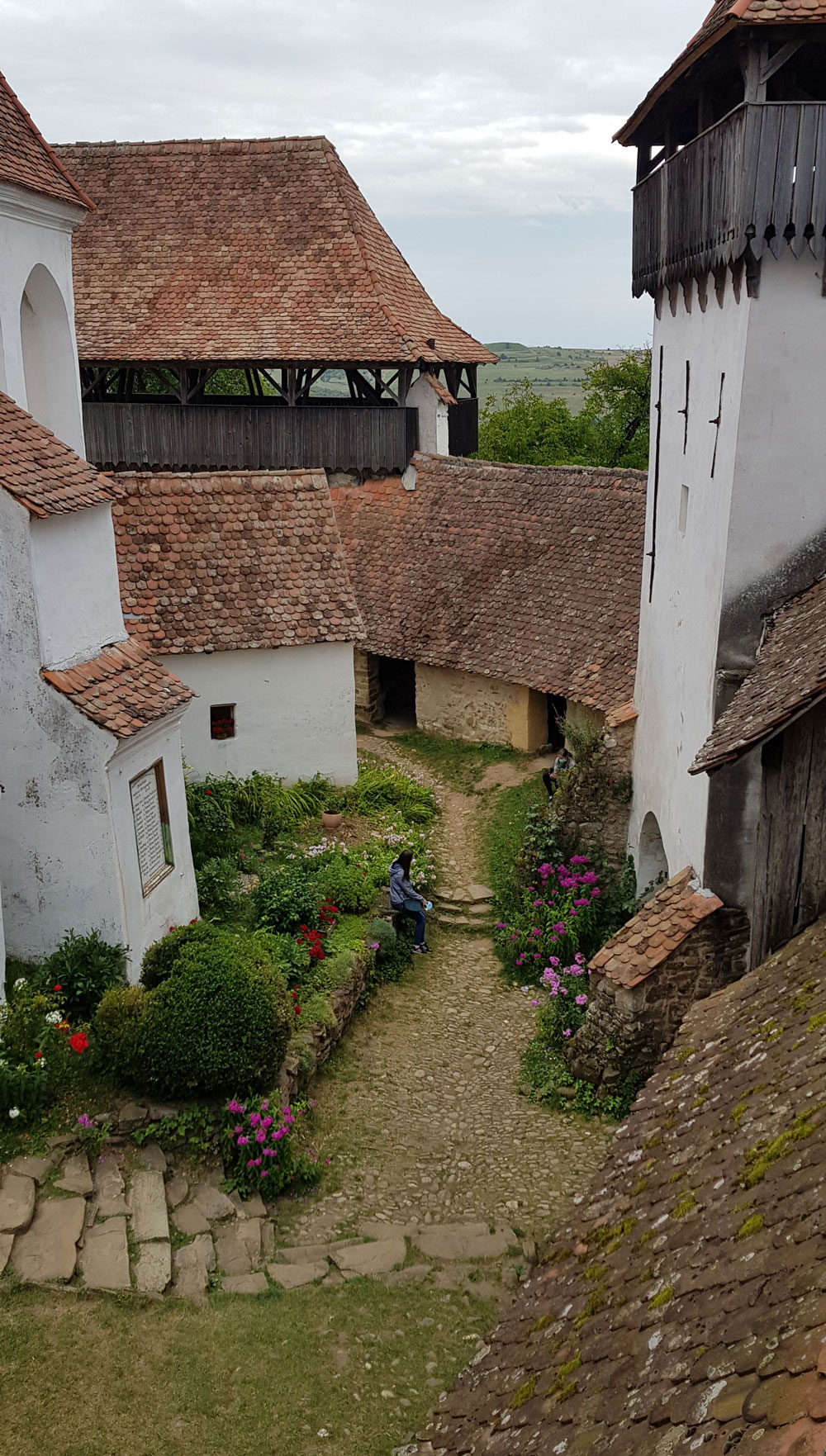
Viscri is one of those villages where, from the moment you arrive, you feel that time moves at a different pace. It is not only the beautifully restored Saxon houses or the wide village streets that make it so charming, but the entire atmosphere of the place. Everything feels quieter, more authentic, and closer to the image of a traditional Transylvanian village. Perhaps this is why it has become one of the most famous villages in Romania and a place chosen by King Charles to support the preservation of its local heritage.
Most visitors come here to see the UNESCO-listed fortified church, but Viscri is a place best explored at a leisurely pace. Climb the church tower for a panoramic view of the village, stroll along its quiet streets, stop by the local artisans’ workshops, and enjoy the peaceful rhythm of everyday life. Beyond its attractions, what truly stays with you is the unique atmosphere that only a few villages in Transylvania have managed to preserve so well.
2. Rimetea (Alba County)
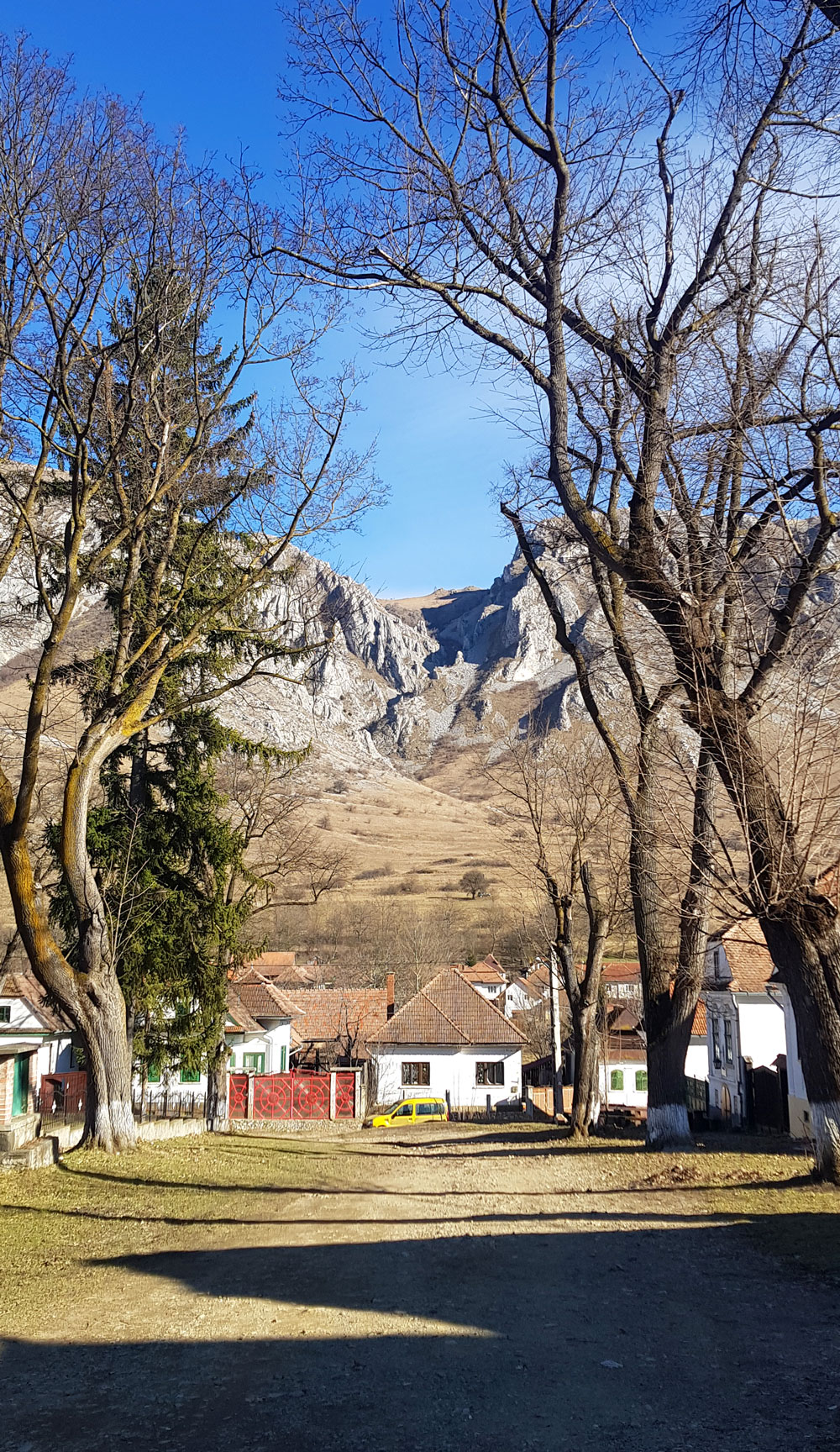
If I had to choose one of the most photogenic villages in Transylvania, Rimetea would certainly be at the top of the list. Nestled at the foot of Piatra Secuiului (Székely Stone), the village stands out for its white houses with green shutters, neatly lined up along its streets, and the spectacular landscape that surrounds it. It is no coincidence that Rimetea received the Europa Nostra Award for the remarkable way it has preserved its architectural heritage.
Take your time to wander through the village, stop in the central square, admire the historic houses, and visit the ethnographic museum. If you have more time, hike up to Piatra Secuiului or make a short stop at Trascău Fortress in the nearby village of Colțești. No matter the season, Rimetea is one of those places where the scenery and the architecture blend together perfectly.
3. Biertan (Sibiu County)
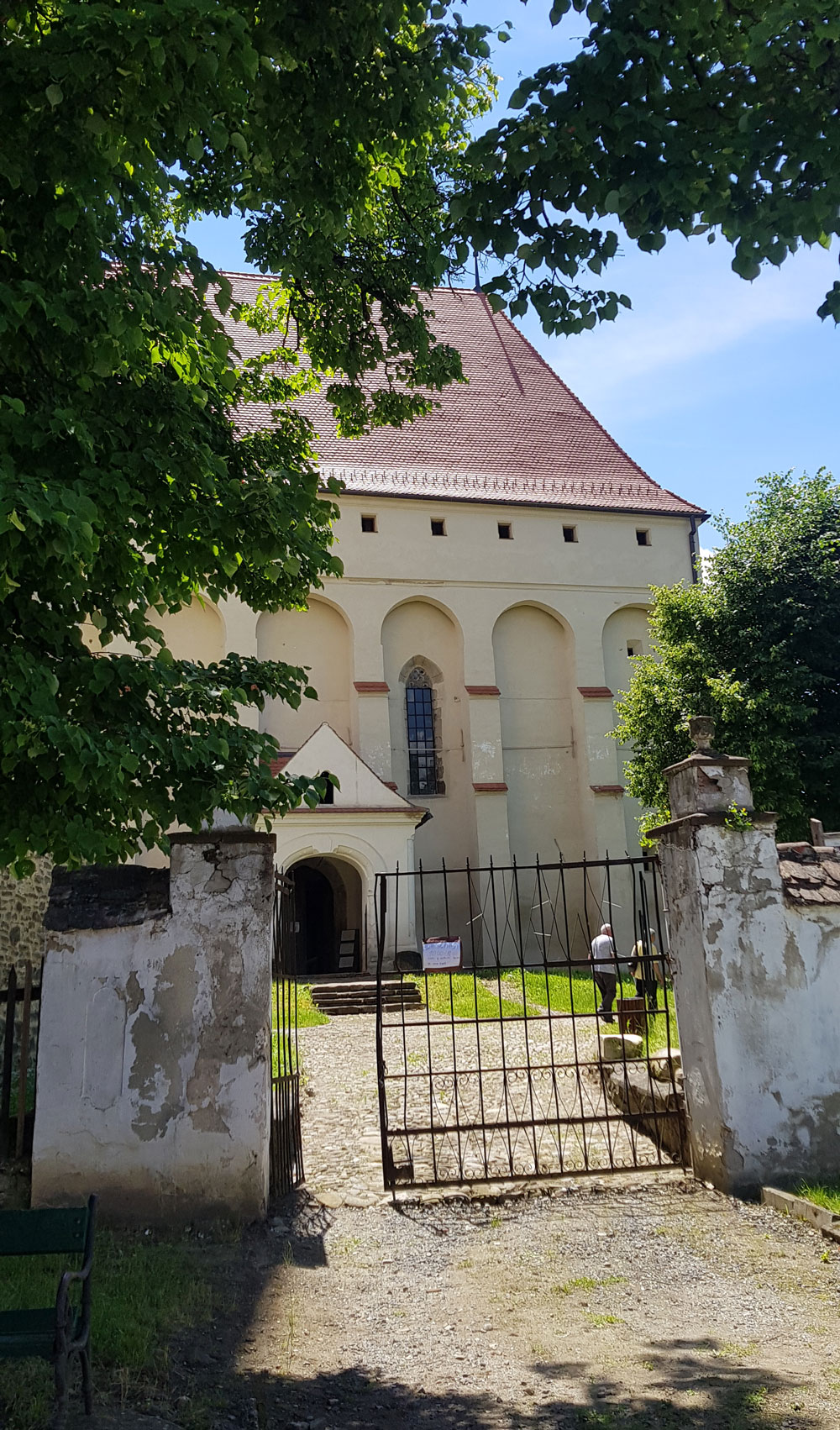
Biertan is one of those villages where your attention is immediately drawn to the fortified church that overlooks the entire settlement. Perched on a hill and surrounded by defensive walls and towers, it tells the story of a Saxon community that shaped this place for centuries. Before making your way up to the church, take some time to wander through the village and admire its traditional houses and the peaceful atmosphere that still defines Biertan today.
Once inside the fortified complex, you will discover one of the most impressive medieval monuments in Transylvania, recognized as a UNESCO World Heritage Site. Beyond its remarkable architecture, Biertan stands out for its rich history and the unique atmosphere it has managed to preserve, making it one of those villages where cultural heritage feels like a natural part of everyday life.

4. Saschiz (Mureș County)
Saschiz is one of those villages where history seems to be present at every step. The silhouette of its fortified church can be seen as soon as you enter the village, while its tower, inspired by the famous Clock Tower in Sighișoara, is one of Saschiz’s most recognizable landmarks. Located between Sighișoara and Rupea, Saschiz is well worth a stop if you want to discover the charm of the Saxon villages scattered across the Târnava Plateau.
After visiting the UNESCO-listed fortified church, I recommend taking the short hike up to the ruins of the peasant fortress on the nearby hill. The walk is not long, and the panoramic views over the village and the surrounding hills make it more than worthwhile. It is one of those places where the landscape perfectly complements the story of the village.
5. Mălâncrav (Sibiu County)
Mălâncrav is not a village that tries to impress you at first sight. Instead, it is a place you come to appreciate for its peaceful atmosphere and authenticity. Hidden among the rolling hills of the Târnava Plateau, it has preserved the charm of the Saxon villages where time seems to have passed more slowly. It is the kind of place where you simply feel like leaving your car behind and exploring on foot.
The Apafi Manor is one of the village’s most important landmarks and tells an important part of its history. Equally impressive is the Evangelical Church, home to some of the finest Gothic frescoes preserved in Transylvania. Together with the surrounding orchards and traditional Saxon houses, these attractions make Mălâncrav a village that deserves to be discovered at a leisurely pace.
6. Alma Vii (Sibiu County)
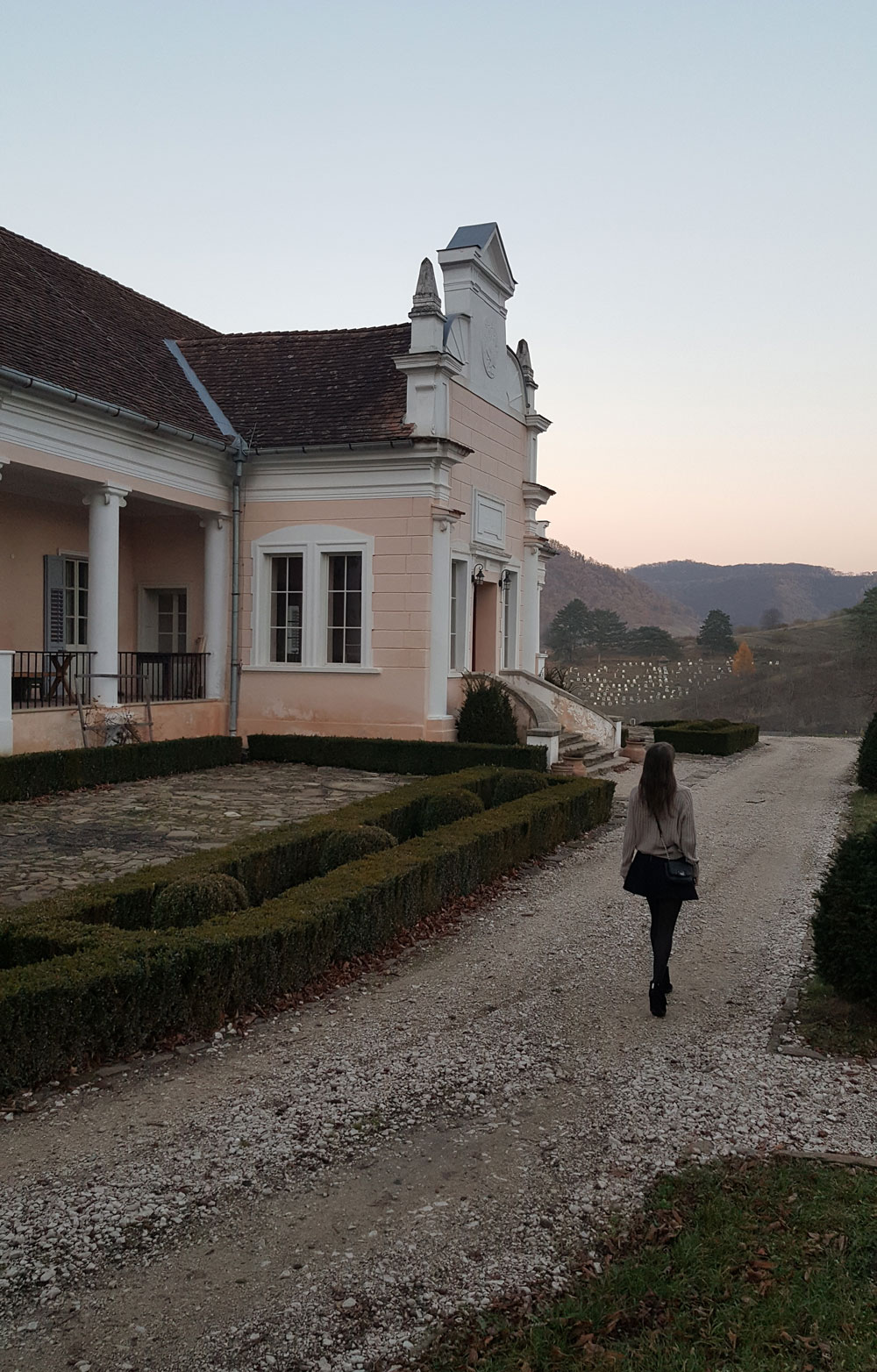
Alma Vii is one of those villages that has yet to make it onto every traveler’s list, and perhaps that is exactly what has helped preserve its charm. Hidden among the rolling hills near Mediaș, the village has retained its peaceful atmosphere and authenticity. Its traditional Saxon houses and beautiful surroundings make you feel as though you have discovered a corner of Transylvania that has remained almost unchanged. It is the perfect destination if you enjoy small, uncrowded villages with a rich history.
The main reason to stop here is the fortified church, built on a hill overlooking the entire village. From its defensive towers, you can enjoy beautiful views of the village and the surrounding hills, while the fortified walls and the rooms within the complex tell the story of a Saxon community that defended its home for centuries. Even though the visit itself is not very long, Alma Vii is one of those places that stays with you long after you leave.
7. Criț (Brașov County)
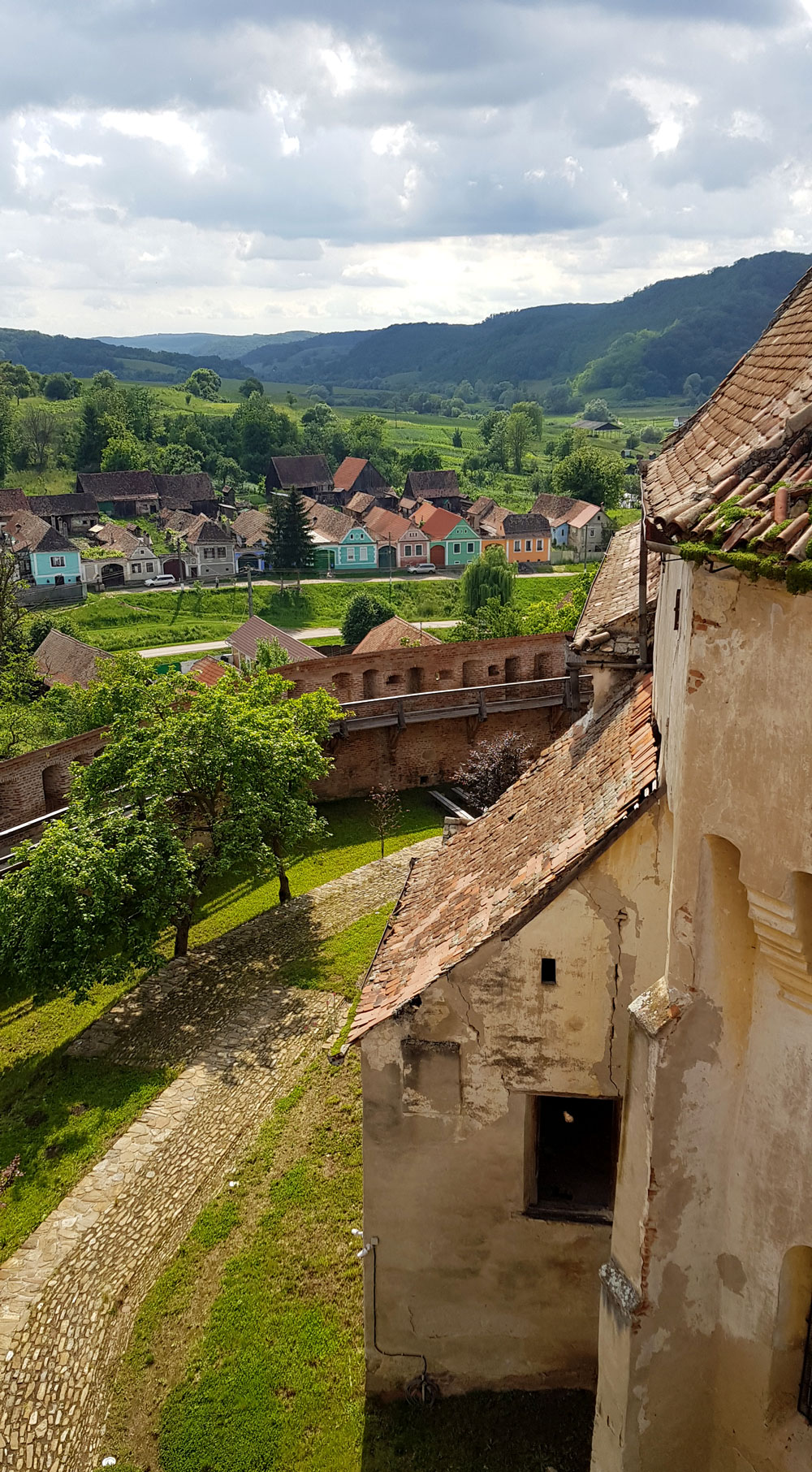
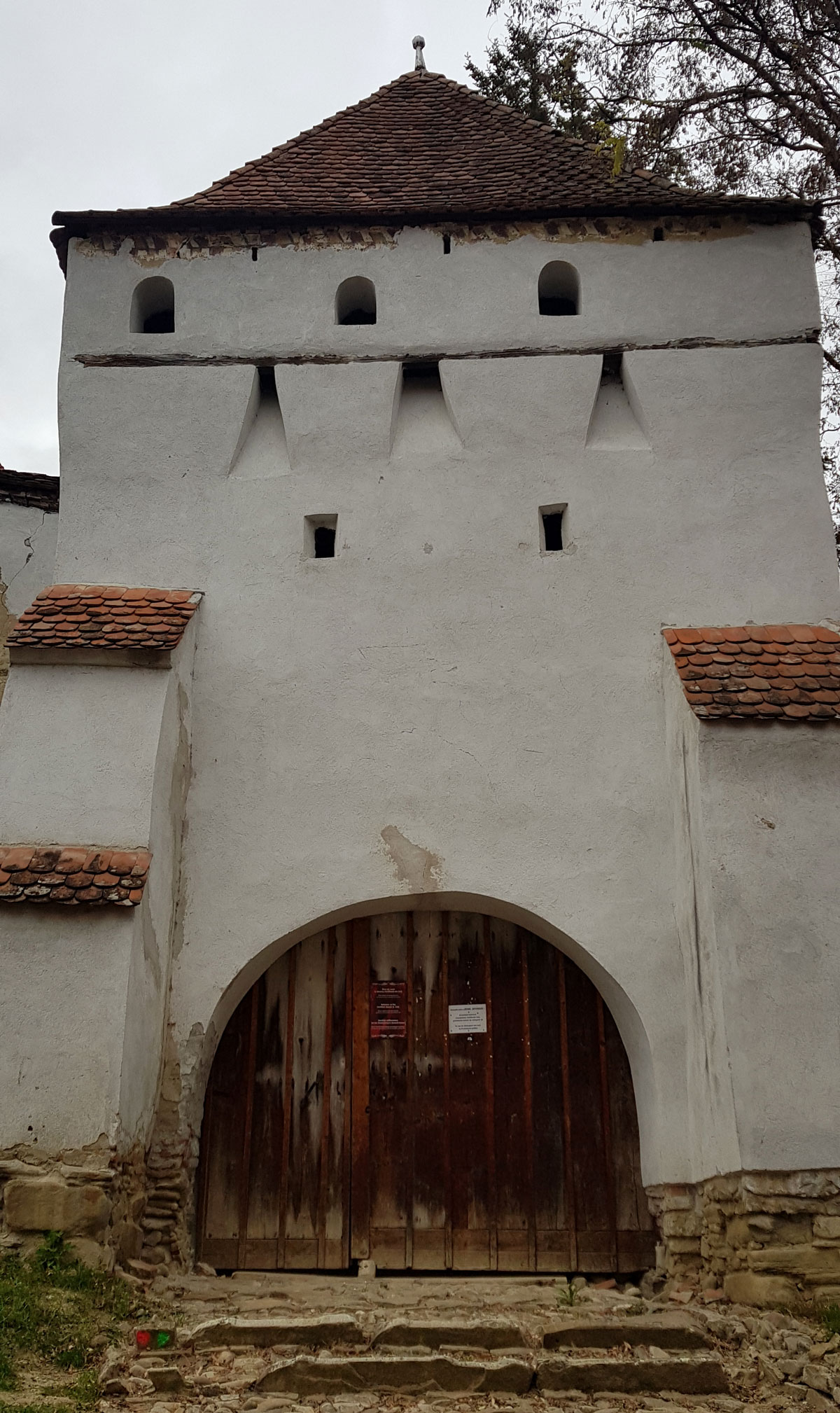
Criț is one of the villages that has preserved the authentic atmosphere of the Haferland region remarkably well. It is not as well known as Viscri, but that is precisely what makes it quieter and less crowded. A walk through its peaceful streets is enough to admire the well-preserved Saxon houses and experience the slow pace of a village where traditions are still very much alive.
At the heart of the village stands the fortified church, one of the area’s most important medieval monuments. Take your time to explore its inner courtyard, defensive towers, and the church itself before continuing your stroll past the traditional village homes. Criț is one of those places you do not visit for just a single attraction, but for the unique atmosphere it has managed to preserve.
8. Cisnădioara (Sibiu County)
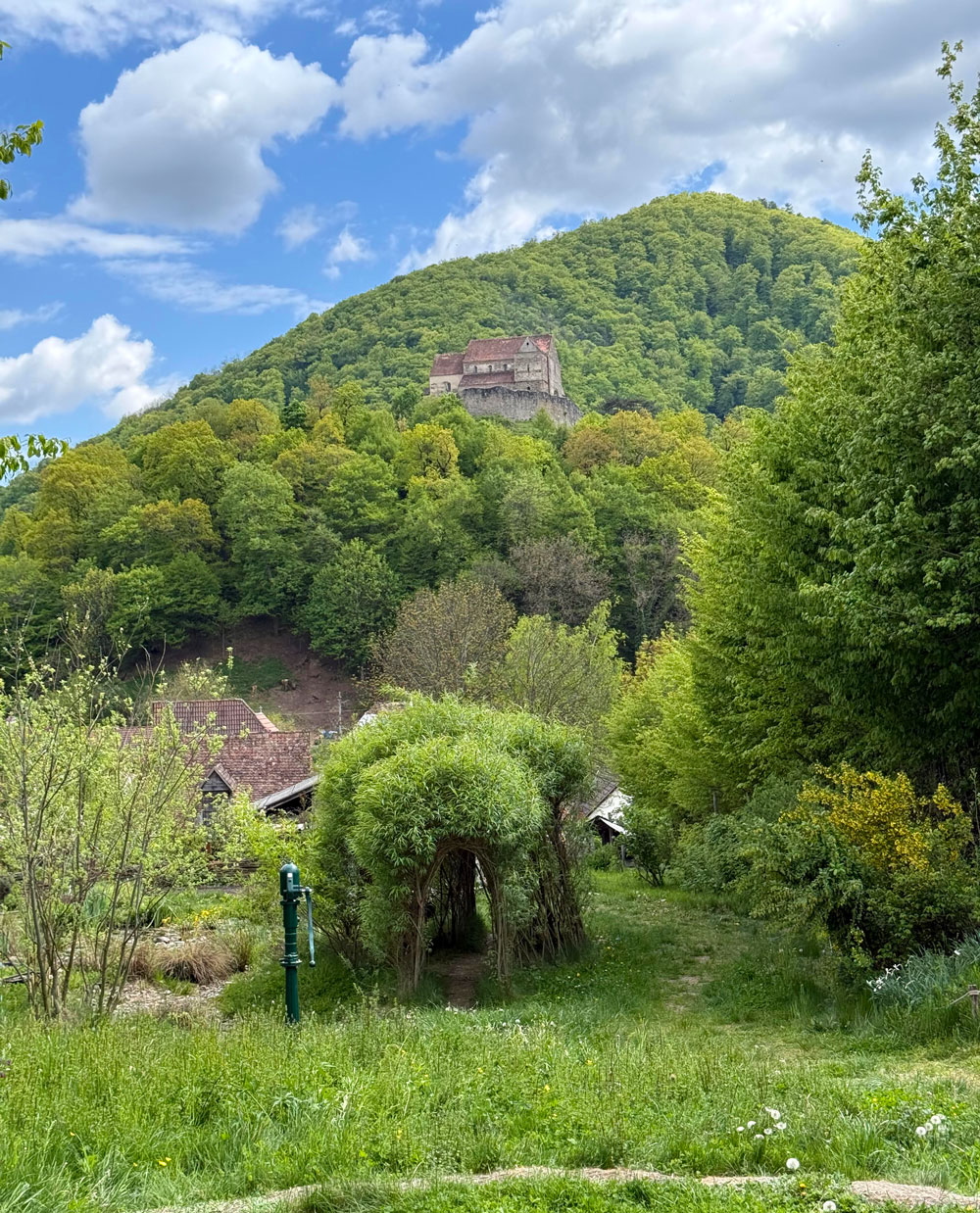
Just a few kilometers from Sibiu, Cisnădioara is one of those villages that deserves at least a few hours of your time. Although it is a small village, it has a special charm created by its old houses, the peaceful streets, and the hill that rises above the village. It is the kind of place where you can leave your car behind and explore at a slow, unhurried pace.
Most visitors come here for the fortress on Saint Michael’s Hill, one of the best-known medieval landmarks in Sibiu County. After a short climb, you will reach the fortified church and be rewarded with beautiful panoramic views over the village and the surrounding countryside. The scenery alone makes the climb worthwhile, while the peaceful atmosphere perfectly completes the experience of visiting Cisnădioara.
9. Hoghilag (Sibiu County)
If you visit Hoghilag in the middle of summer, you will immediately understand what makes this village so famous. The fragrance of tuberoses welcomes you as soon as you arrive, while the locals’ gardens burst into bloom with the flowers that have made this village known throughout Romania. The tradition of growing tuberoses was brought here by the Saxons and continues to this day with the same passion.
Beyond its spectacular flower gardens, Hoghilag is well worth exploring for its Evangelical church and the traditional Saxon houses that add to the village’s charm. If you have the chance to visit during the Tuberose Festival, you will find a lively village where the scent of flowers and the warm hospitality of the locals turn every visit into a memorable experience.
10. Hosman (Sibiu County)
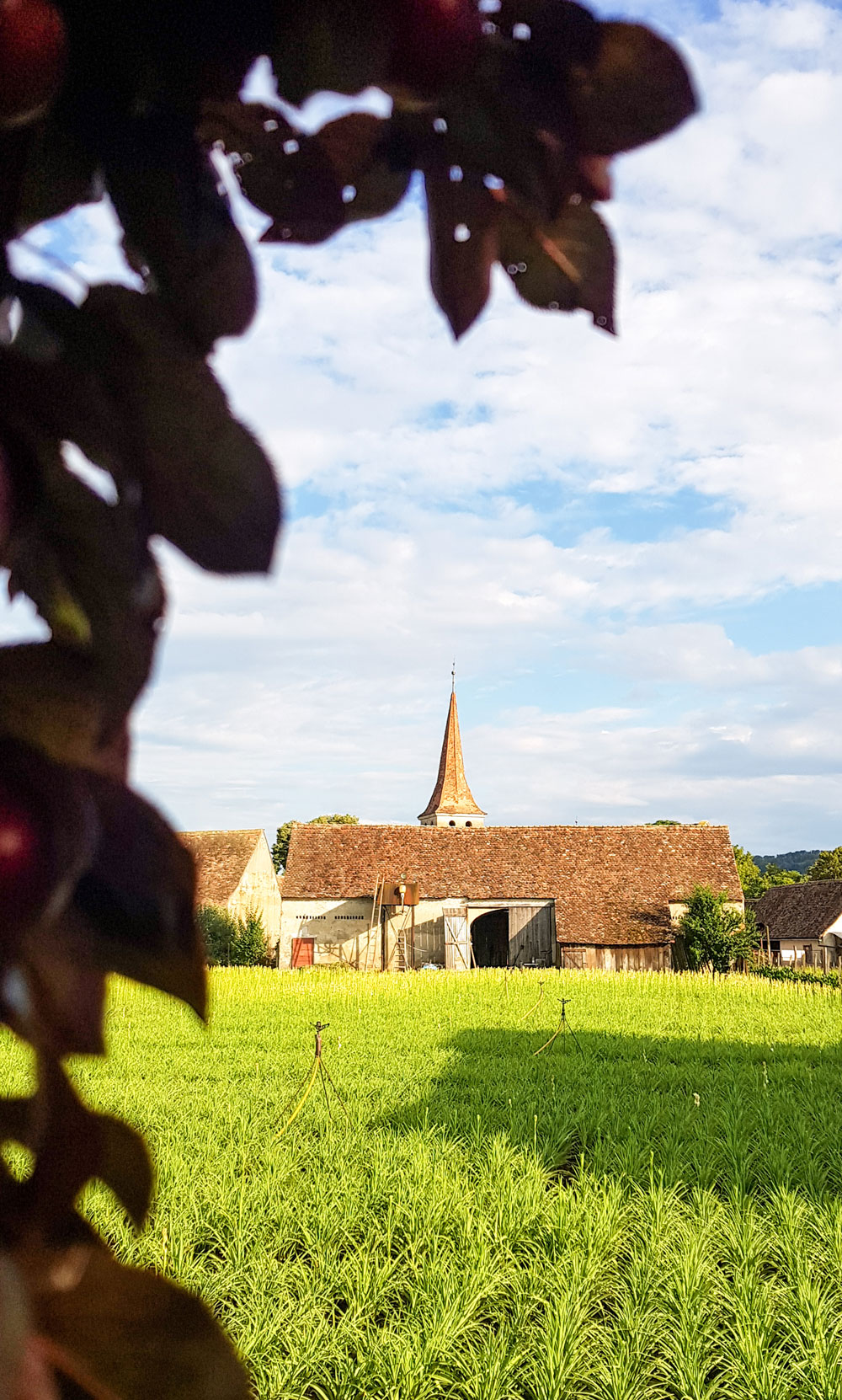
Hosman is one of the villages in the Hârtibaciu Valley that has preserved its Saxon heritage remarkably well. Its peaceful atmosphere, traditional houses, and the gentle rolling landscape make it a wonderful stop for anyone looking to discover a lesser-known side of Transylvania.
The village’s main attraction is the fortified church, built in the 13th century and one of the oldest in the region. What impressed me the most was its richly decorated western portal, one of the church’s most valuable architectural features. After your visit, take some time to wander through the village and enjoy the peaceful atmosphere that defines the Hârtibaciu Valley.
11. Cârța (Sibiu County)
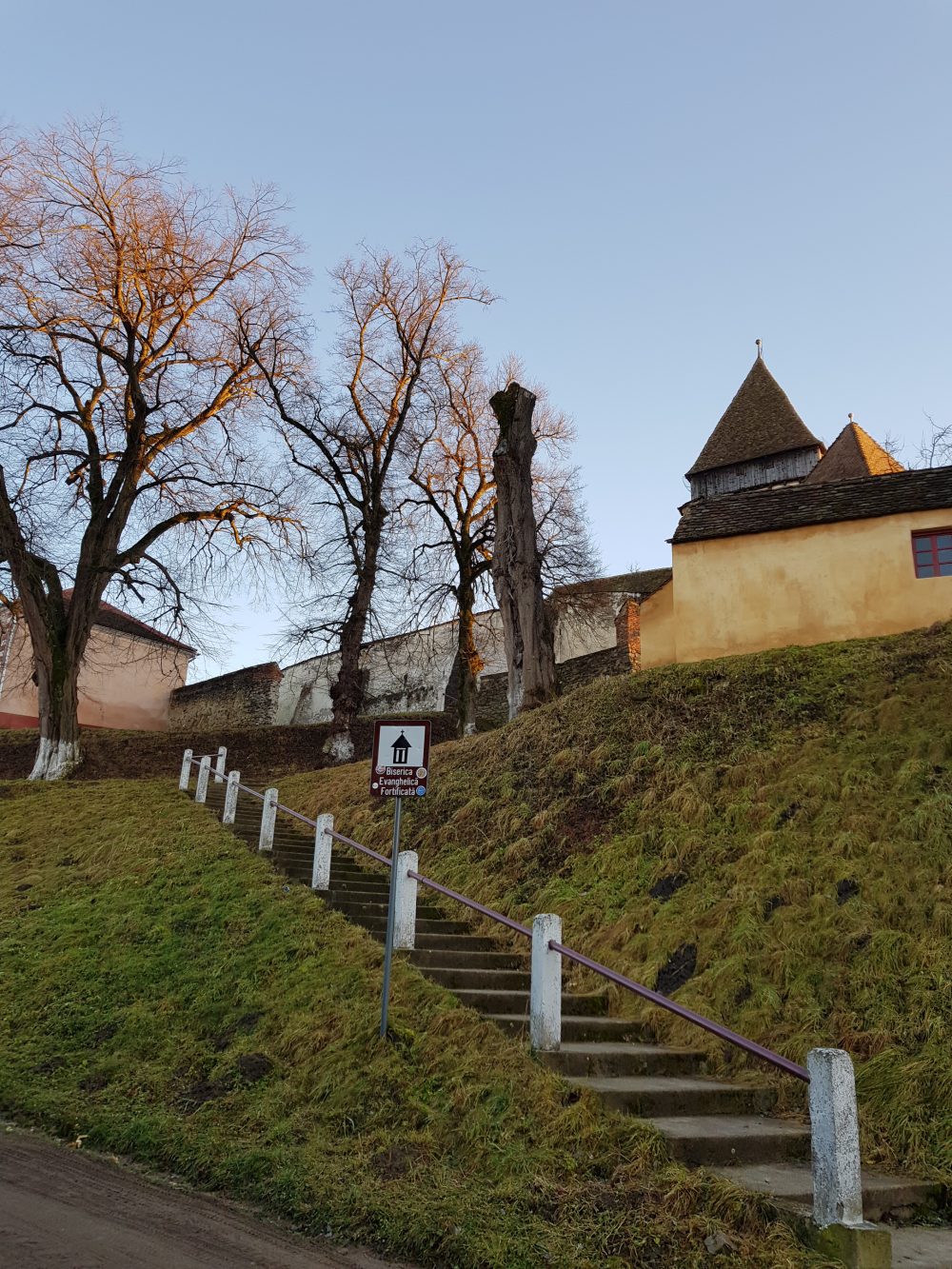
Most people associate Cârța with its impressive Cistercian Abbey, but the village deserves much more than just a short stop. Located between Sibiu and Făgăraș, in an area of beautiful landscapes and Saxon villages, Cârța has a peaceful atmosphere, while the ruins of the former monastery give it a unique charm. It is one of those places where history seems to be present at every turn.
The Cistercian Abbey is the only one of its kind in Romania and one of the most important medieval monuments in Transylvania. Although only the ruins of the monastery remain today, they still impress visitors with their elegant Gothic architecture and the story of the monks who brought Western influences to this part of the country. If you are in the area, it is also worth visiting the old parish house and enjoying the peaceful surroundings of the entire complex.
12. Densuș (Hunedoara County)
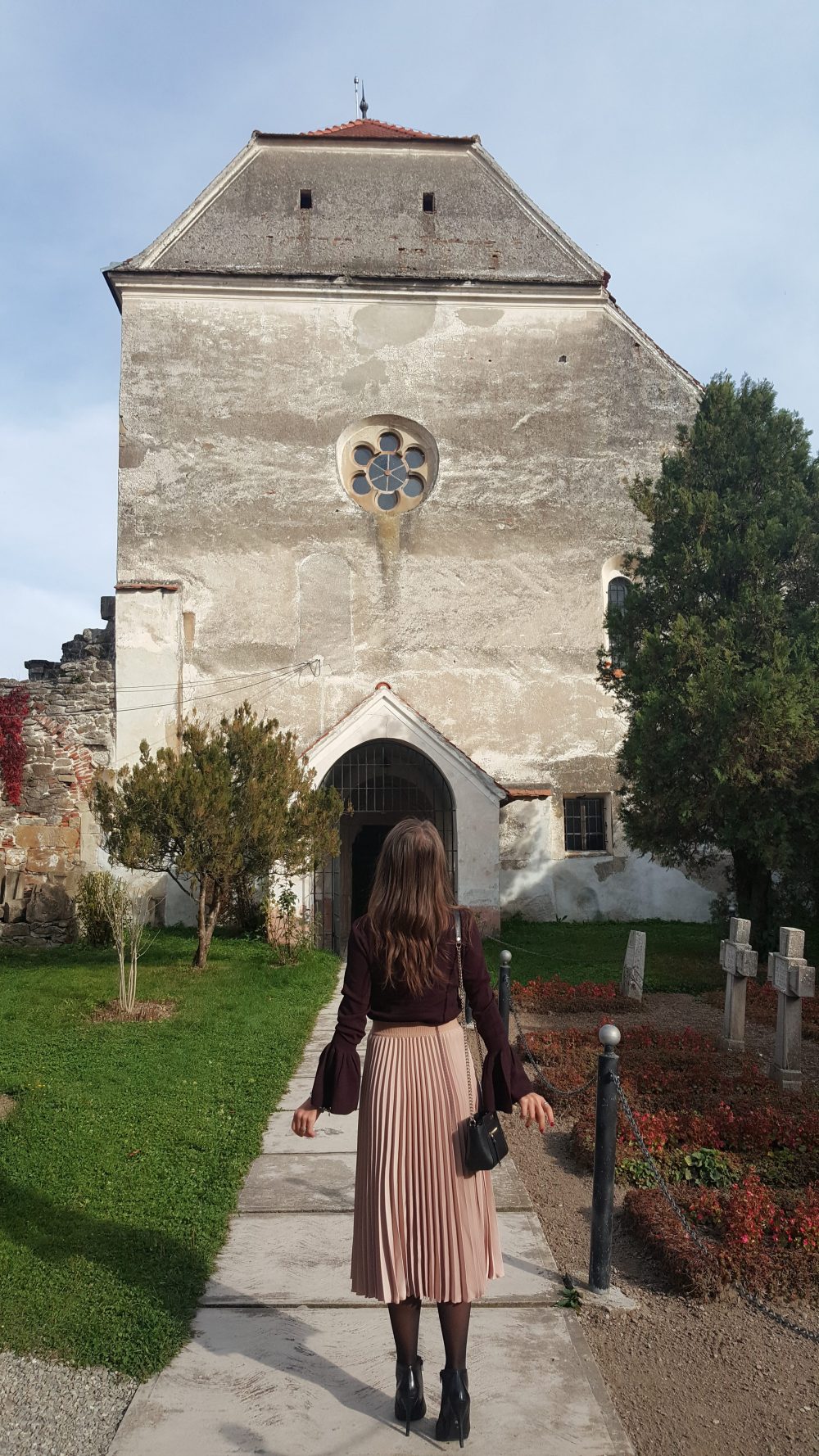
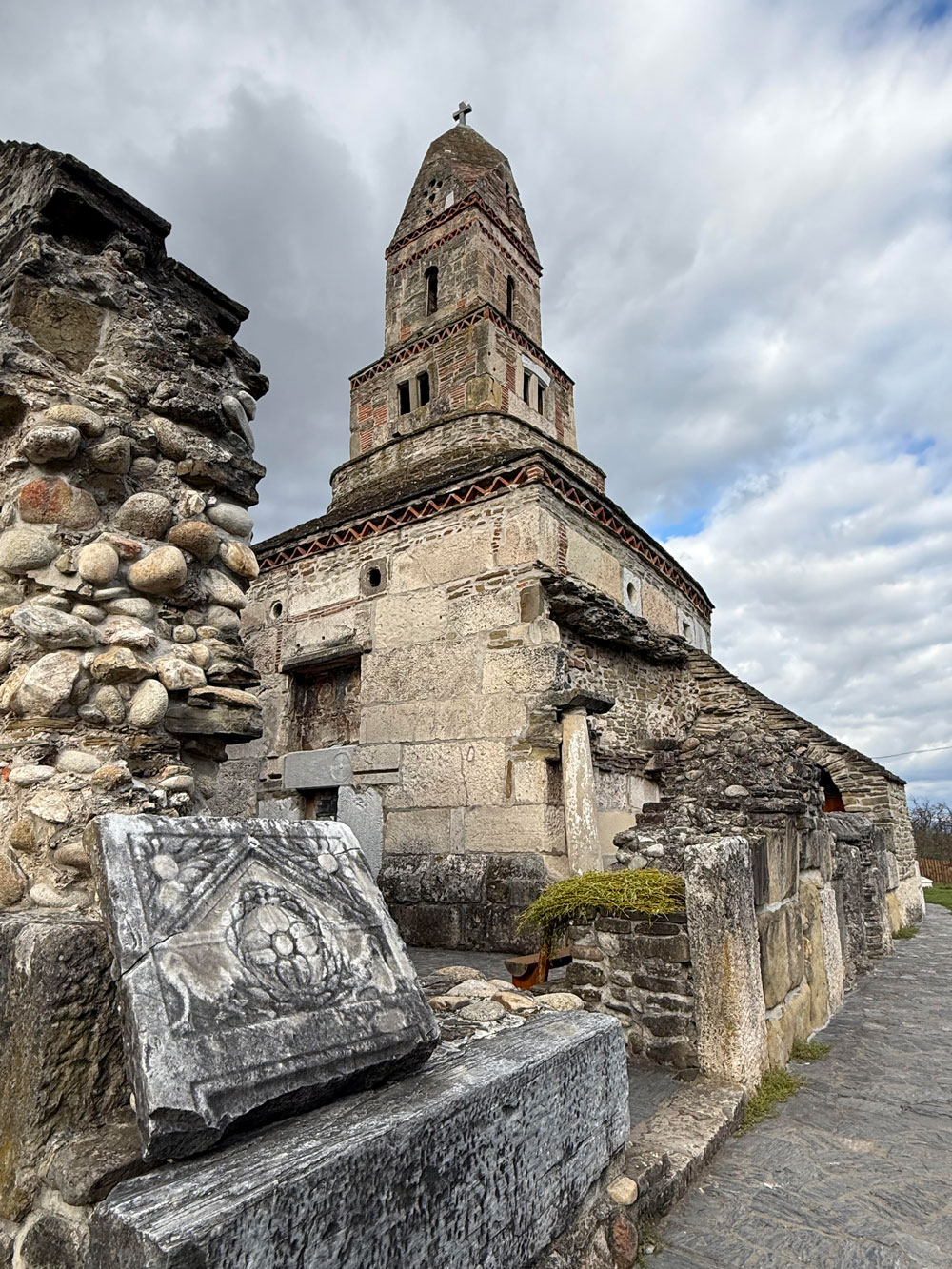
Densuș is one of those villages that sparks your curiosity even before you arrive. Everyone talks about its ancient stone church and the mysteries surrounding its origins, and once you see it, you immediately understand why it is considered one of the most unusual buildings in Romania. Although the village is small, it is home to one of the most fascinating stories in the Hațeg Country.
Saint Nicholas Church is the main reason to visit Densuș. Built using massive stone blocks and architectural elements brought from the ancient city of Ulpia Traiana Sarmizegetusa, it has a distinctive appearance unlike any other church I have visited in Transylvania. If you are already in the area, I also recommend continuing your journey to Ulpia Traiana Sarmizegetusa, located just a few kilometers away, to discover even more of the region’s remarkable history.
13. Alun (Hunedoara County)
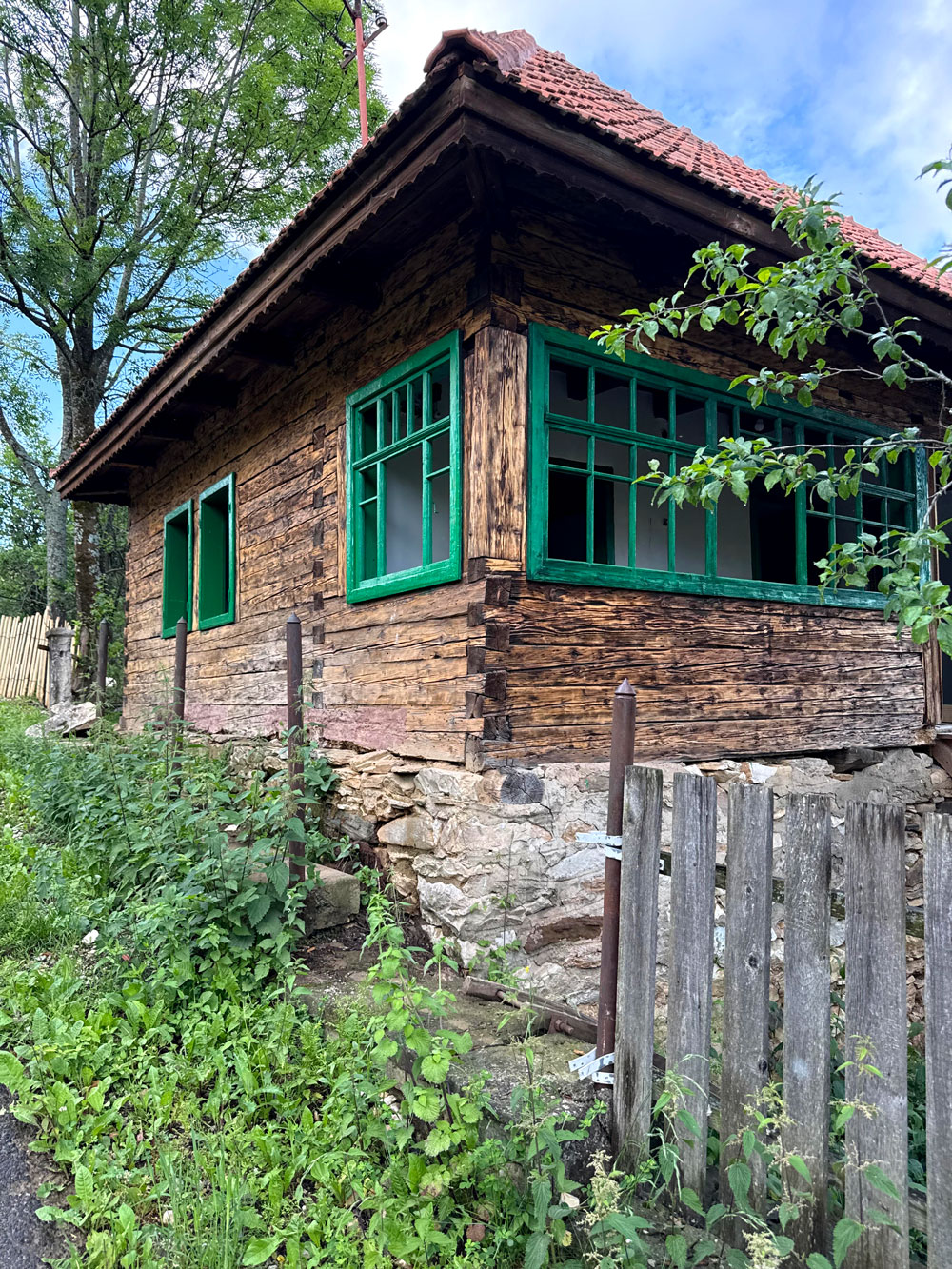
The road to Alun is not the easiest, but its remote location is part of the village’s charm. Hidden in the Land of the Pădureni, Alun is known as the “Marble Village,” and as soon as you arrive, you will understand why. Marble extracted from the nearby quarry was used throughout the village, from the road that runs through it to the houses and the impressive church at its center.
Today, the village is almost deserted, and its silence is difficult to put into words. Take the time to visit the marble church, see the former quarry, and wander along the quiet streets that still bear the traces of what was once a thriving community. It is one of the most unusual villages I have discovered in Transylvania.
14. Banpotoc (Hunedoara County)
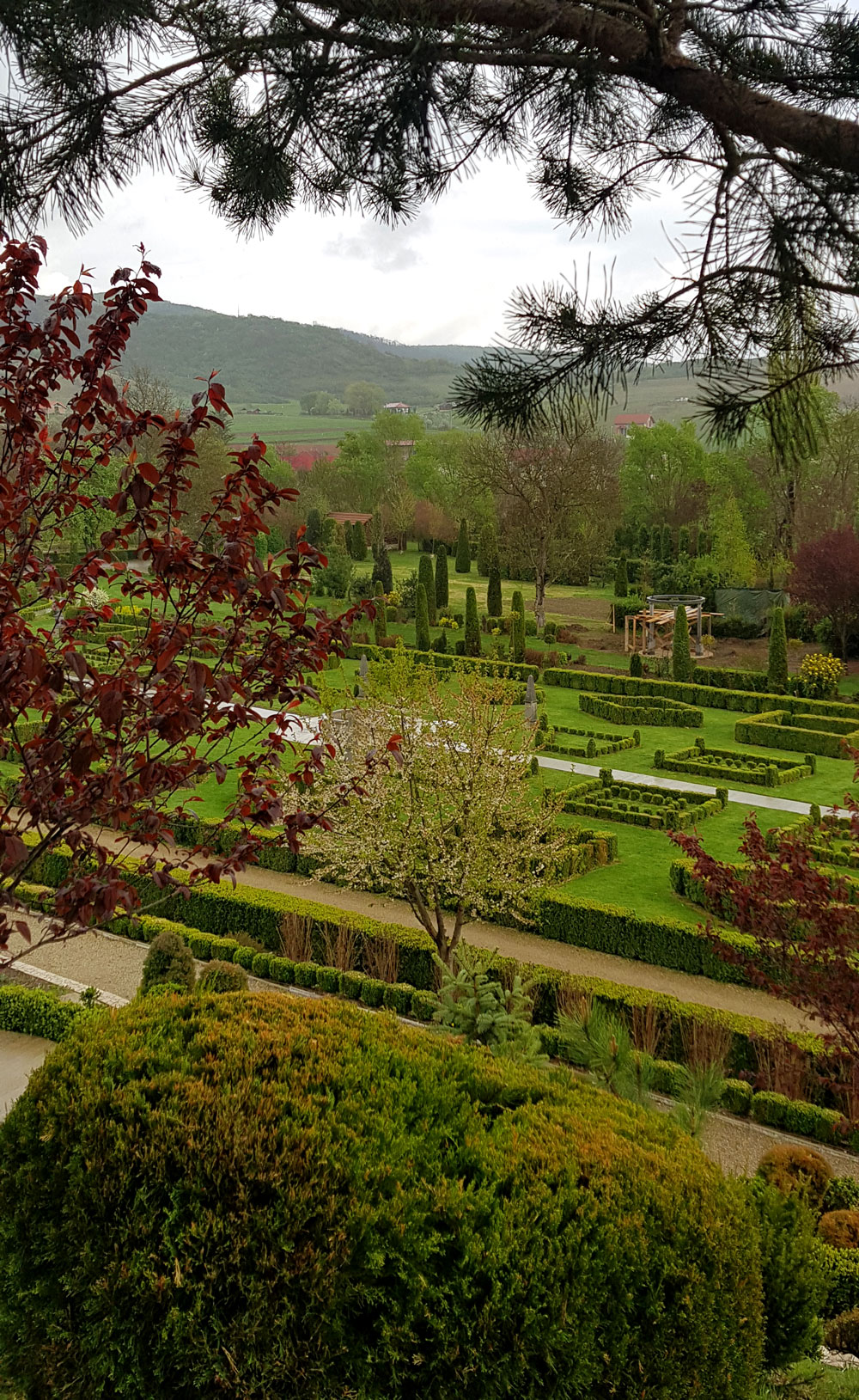
Banpotoc is one of those villages you could easily drive past without realizing what it has to offer. The village has become famous thanks to I Giardini di Zoe, a place that feels like an elegant Italian aristocratic garden, impressing visitors with its beauty and attention to every detail.
Tree-lined pathways, manicured hedges, fountains, sculptures, and thousands of flowers make these gardens a place where you could easily spend hours. If you visit Banpotoc, make sure to set aside enough time for a leisurely walk, as every corner of the garden reveals a new scene worth admiring and photographing.
15. Chidea (Cluj County)
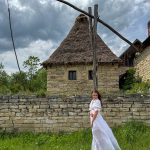
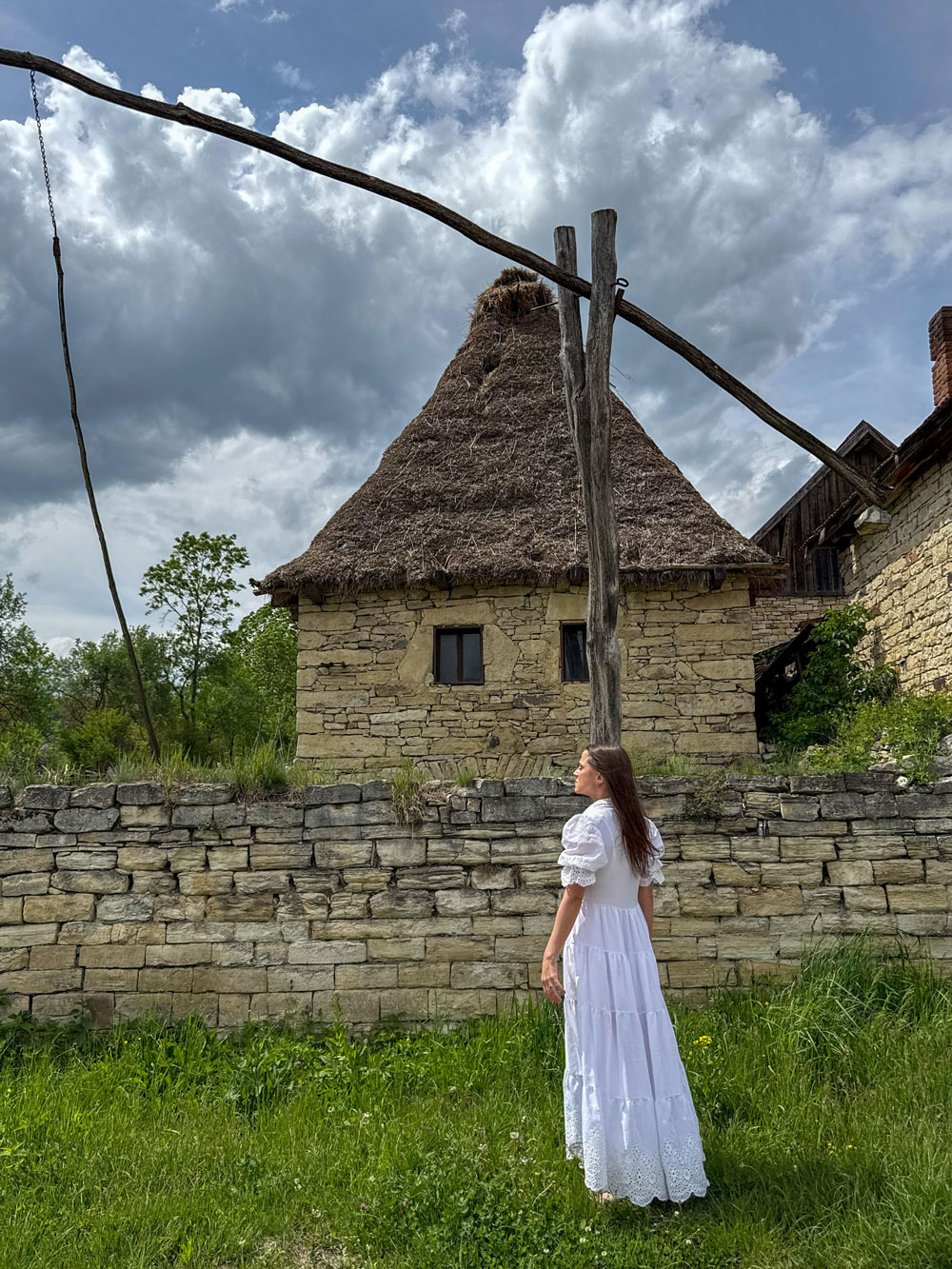
Not many villages in Transylvania resemble Chidea. Located less than an hour from Cluj-Napoca, the village stands out for its houses and stone fences, a feature that gives it a distinctive appearance unlike any other place I have visited. This unique look has even earned it comparisons to Alberobello, the famous Italian village known for its remarkable architecture.
The best way to discover Chidea is simply by exploring it on foot. As you wander through its quiet streets, you will notice the stone houses, old gates, and the rolling hills that surround the village. Chidea is not a place with many tourist attractions; instead, it is a destination worth visiting for its authenticity and peaceful atmosphere, just like many of Transylvania’s most beautiful villages.
16. Zau de Câmpie (Mureș County)
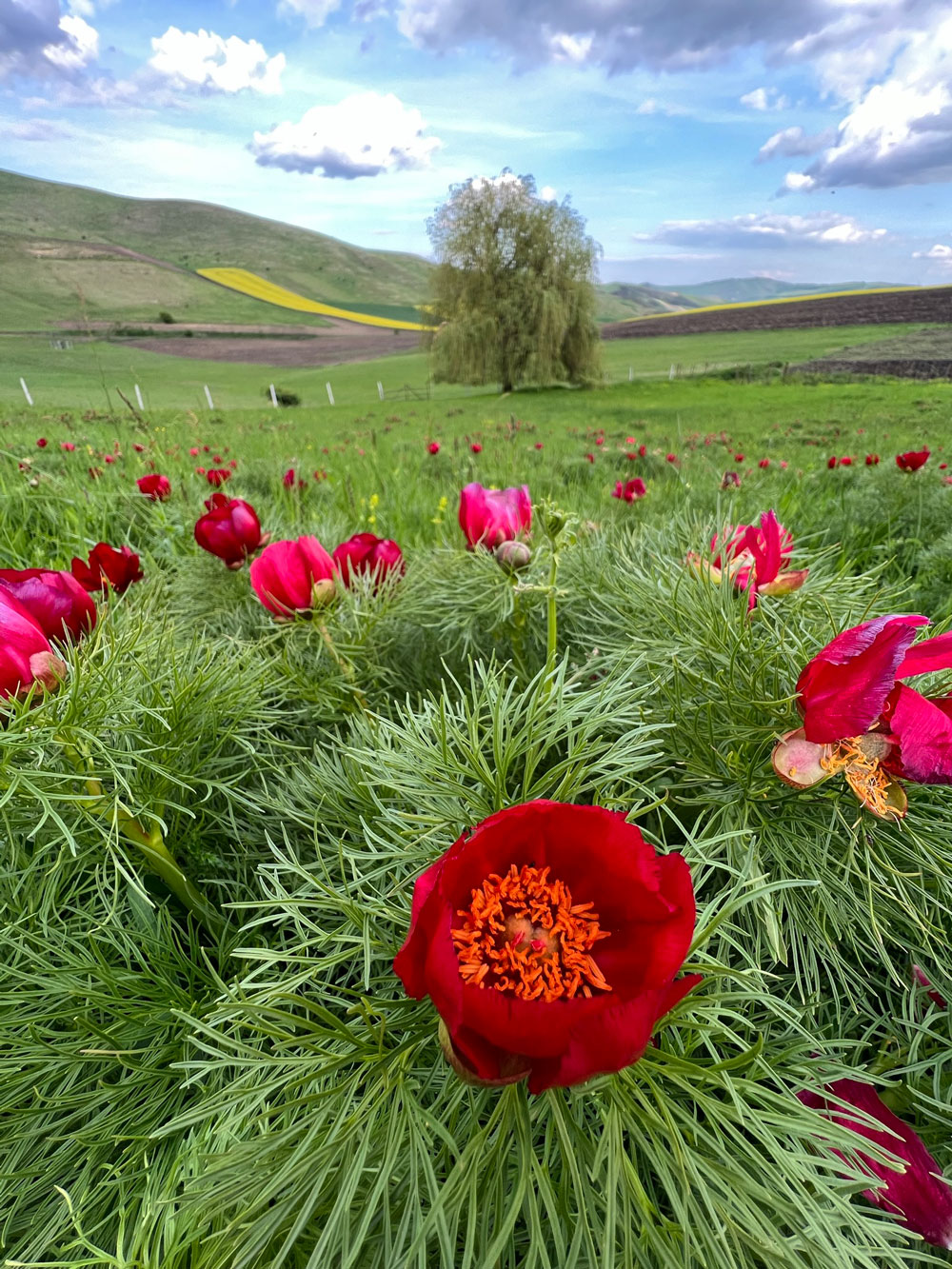
If you visit Zau de Câmpie in May, you will immediately understand what makes this place so special. For just a few weeks each year, the hills surrounding the village are transformed into a spectacular natural display as the steppe peonies come into bloom. It is one of those places that deserves to be seen at least once, especially since this rare flower can only be admired in a handful of locations across Romania.
The Steppe Peony Nature Reserve is the main reason visitors come to Zau de Câmpie, but while you are in the area, it is also worth stopping at Ugron Castle, better known as the “Calendar Castle.” Together, these two attractions make for a perfect spring day trip and offer the chance to discover one of the most beautiful corners of the Transylvanian Plain.
17. Gherdeal (Sibiu County)
Gherdeal is one of those villages that leaves a lasting impression not because of its attractions, but because of its remarkable silence. Once you arrive, it feels as though time has stood still. The Saxon houses, many of them abandoned, the almost empty streets, and the complete lack of crowds create an atmosphere that is becoming increasingly rare to find in Transylvania.
Although the village is now home to only a handful of residents, its fortified church still watches over the settlement and remains the main landmark worth seeing, even if only from the outside. A walk through Gherdeal feels like a journey into a world that is slowly disappearing, yet still preserves the charm and authenticity of the old Saxon villages.

17. Crișan (Hunedoara County)
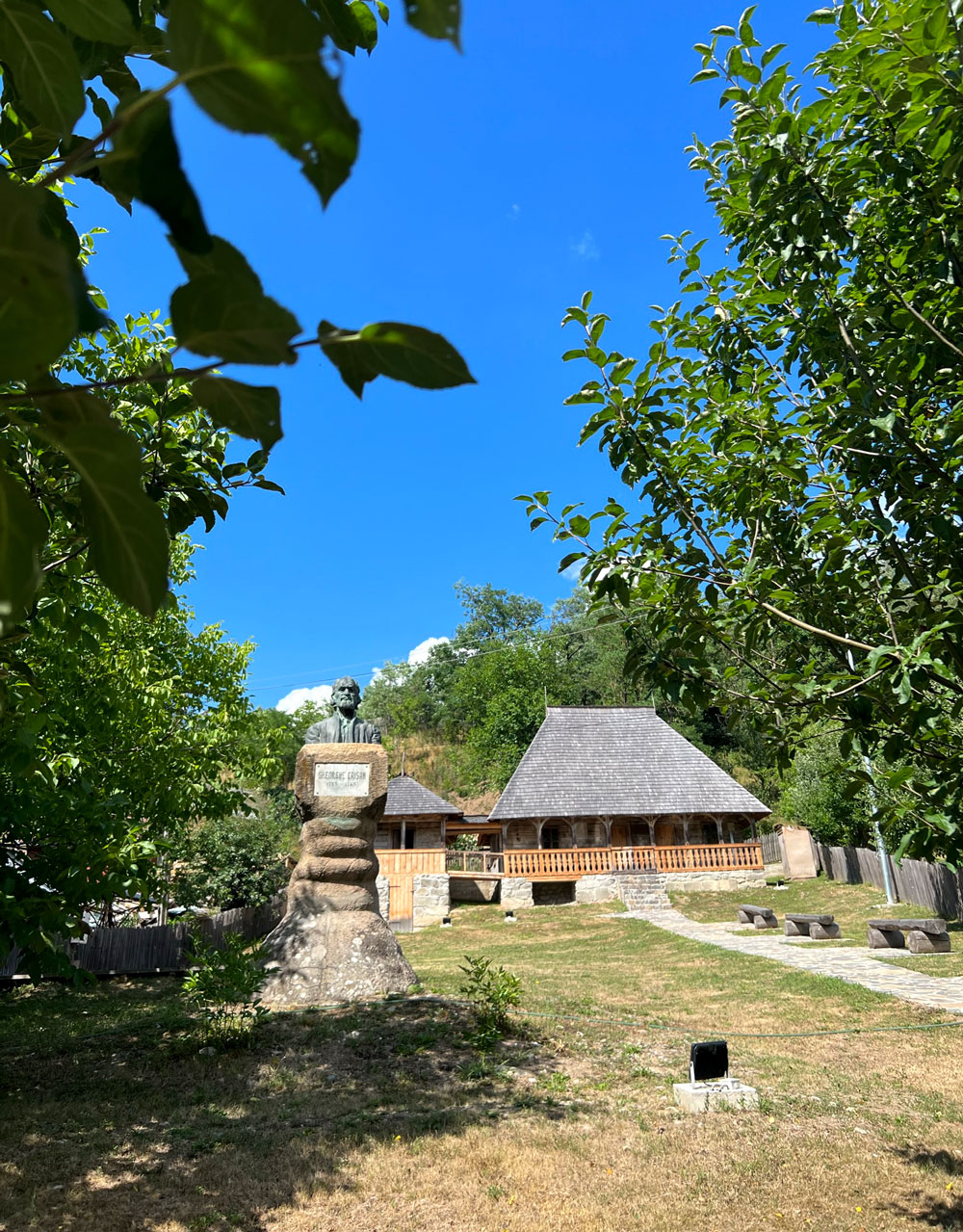
Hidden among the rolling hills of the Zarand Land, the village of Crișan is one of those places where history is still very much alive. Although it is a quiet settlement, its name is familiar to every Romanian thanks to one of the leaders of the 1784 Peasants’ Revolt. A visit here is a great opportunity to discover not only an authentic village but also the story of one of Transylvania’s most important historical figures.
The village’s main attraction is the Crișan Memorial House, reconstructed after the original home where Marcu Giurgiu, better known as Crișan, was born. Inside, you will find documents and objects that tell the story of his life and the events surrounding the 1784 uprising, while also offering a glimpse into the way the people of the Apuseni Mountains lived in the 18th century. It is a worthwhile stop that beautifully complements a journey through the Zarand Land and helps visitors better understand one of the most important chapters in Transylvania’s history.
19. Cincșor (Brașov County)
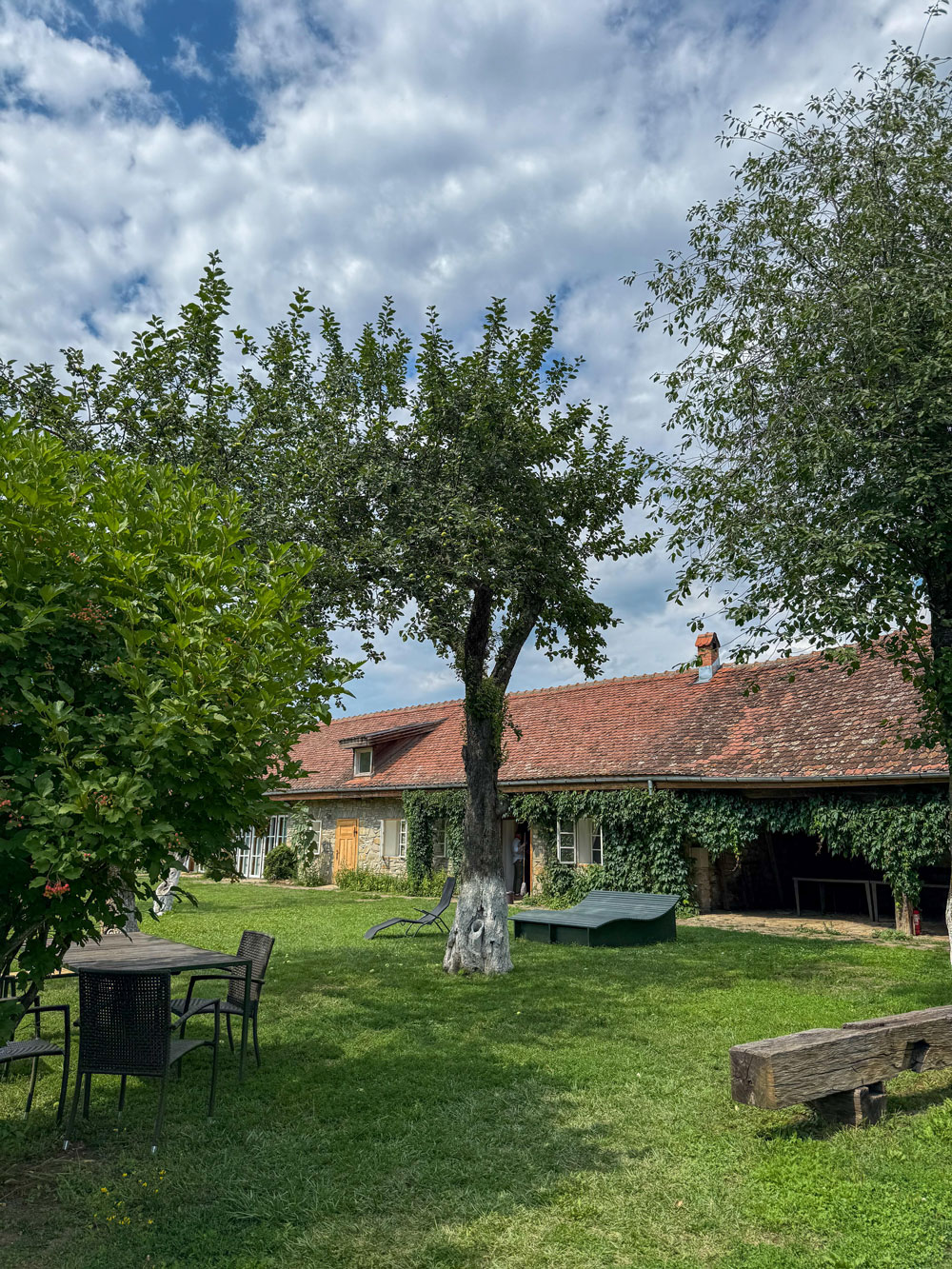
Cincșor is one of those Saxon villages that proves how cultural heritage can be brought back to life when it is carefully preserved. Located between Făgăraș and Sibiu, the village has retained the peaceful atmosphere typical of Saxon settlements, with its old houses, quiet streets, and beautiful views of the Făgăraș Mountains. It is the perfect destination for a relaxing getaway where you can slow down and enjoy the charm of rural Transylvania.
At the heart of the village stands the fortified church, one of the area’s most important historical landmarks. Right next to it, you will find the renowned Cincșor Guesthouse. Set in a beautifully restored former parish house and several traditional Saxon buildings, it is one of the finest examples of heritage restoration in Transylvania and a wonderful place to stop, whether for a meal or a few nights in an authentic setting.
20. Moieciu de Sus (Brașov County)
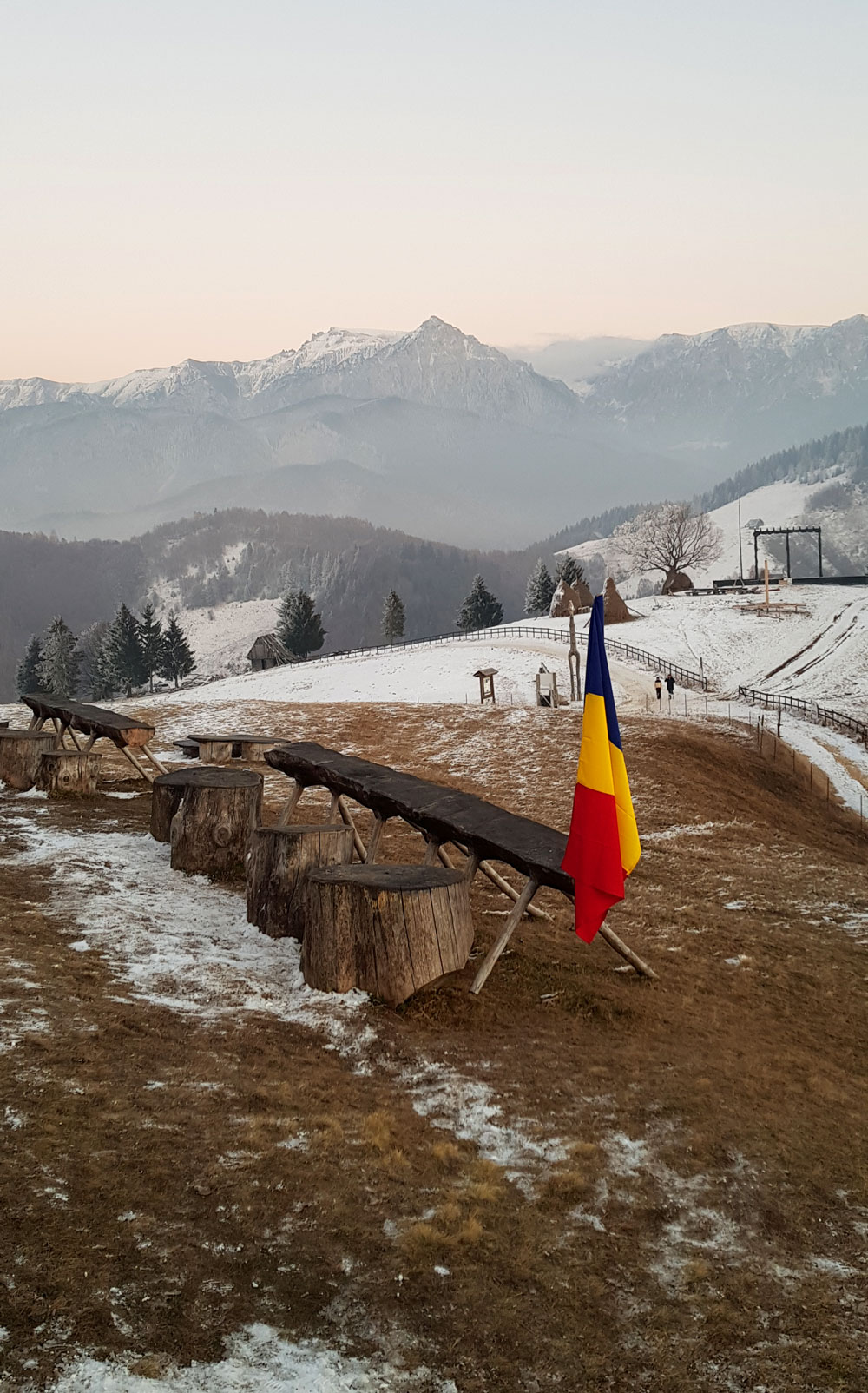
If you enjoy mountain villages, Moieciu de Sus is one of those places you will want to return to again and again. Nestled between the Bucegi Mountains and Piatra Craiului National Park, the village captivates visitors with its stunning scenery, featuring scattered houses on the hillsides, hay meadows, and mountain peaks visible from almost every corner of the village. It is one of the most beautiful destinations for anyone seeking peace, nature, and breathtaking landscapes.
Moieciu de Sus is also an excellent starting point for hiking and exploring the surrounding area, regardless of the season. Whether you choose to follow the mountain trails or simply relax and enjoy the spectacular views and the peaceful atmosphere of the village, you will discover one of the most picturesque places in the Bran–Moieciu region.
Whether you choose a Saxon village with a fortified church, a mountain settlement in the Apuseni Mountains, or a lesser-known place hidden among the rolling hills of Transylvania, I am sure each of these destinations will offer you an authentic experience. Some are worth visiting for their rich heritage, others for their breathtaking landscapes, and many simply for the peaceful atmosphere they have managed to preserve.
Love,
A.C.
Join our newsletter

Search for articles
 10 Fairytale Castles and Manors in TransylvaniaIn Places in Romania22 July 2026
- 10 castele și conace de poveste din TransilvaniaIn Places in Romania22 July 2026
- 20 spectacular villages in TransylvaniaIn Places in Romania22 July 2026
- What to Do in 2 Days in Kuala Lumpur – Complete Guide for Your First VisitIn Travel26 May 2026
- Chidea, the village in Transylvania that resembles AlberobelloIn Places in Romania21 May 2026